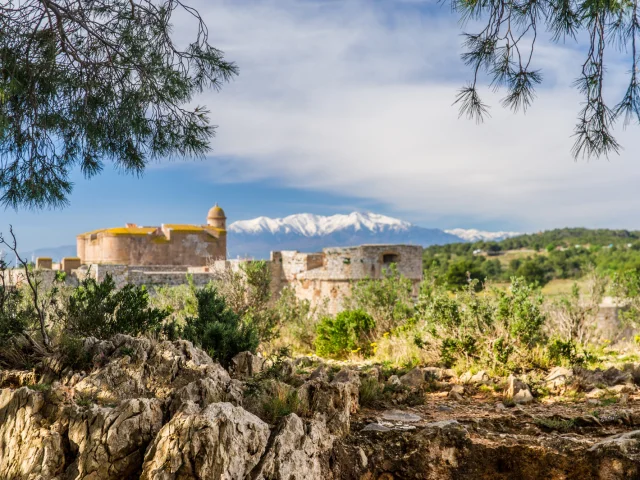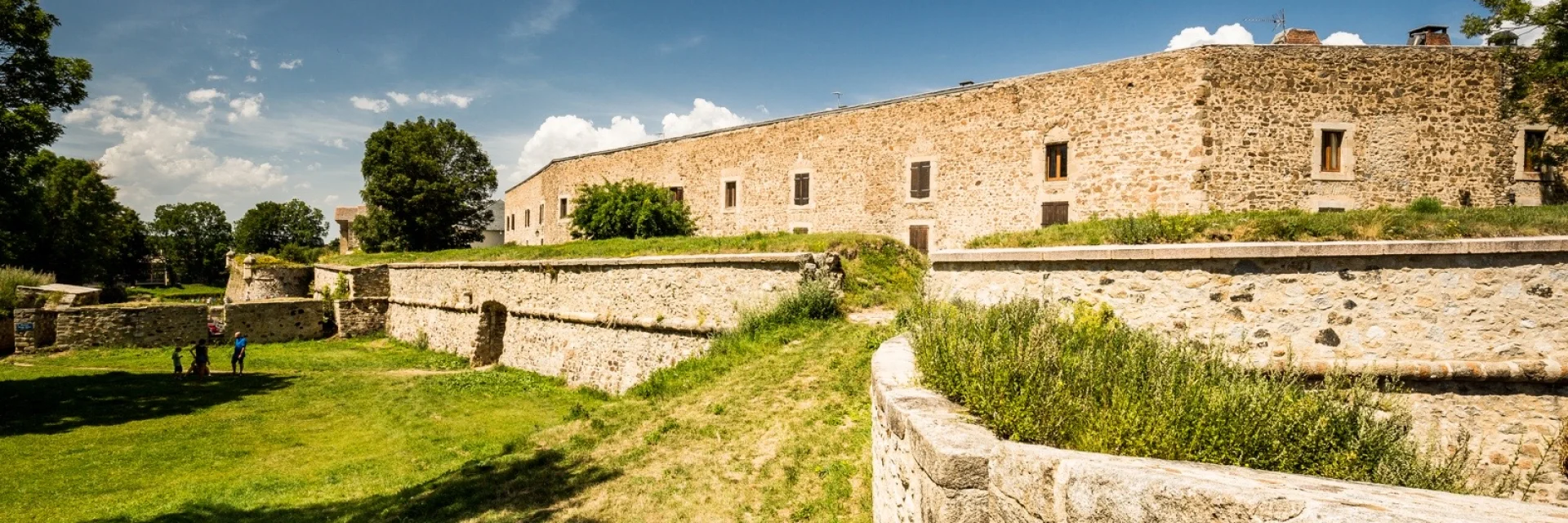
A view of the fortifications and moats of the Mont-Louis citadel, a military structure designed by Vauban and listed as a UNESCO World Heritage Site, under a summer sky.
©

Mont-Louis, a fortified town listed as a UNESCO World Heritage Site. A Vauban town.

|

© Jc Milhet

TOURIST ATTRACTIONS in the Pyrénées-Orientales

The Pyrénées-Orientales offer a unique wealth of culture, heritage and natural beauty. Through our themed itineraries, discover natural sites, parks and gardens, theme and leisure parks, historic sites and castles, as well as museums and arts centres. There are so many experiences to enjoy and share, all of which showcase the diversity and authenticity of our destination.

Explore the treasures of the region

Discover the jewels of Catalonia’s architectural heritage

Discover the Catalan architectural heritage that makes the Pyrénées-Orientales a veritable open-air museum, with a string of bell towers, chapels and religious buildings and a wide range of styles from the Via Domitia to the latest contemporary creations.
Romanesque art, in the service of religion

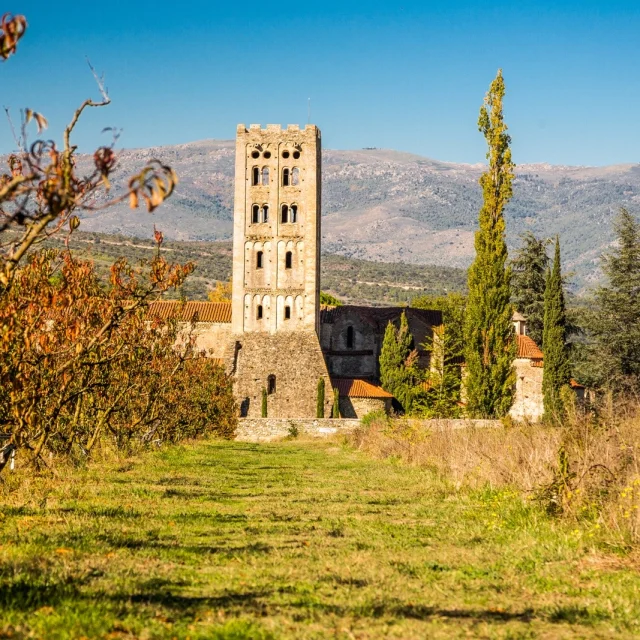
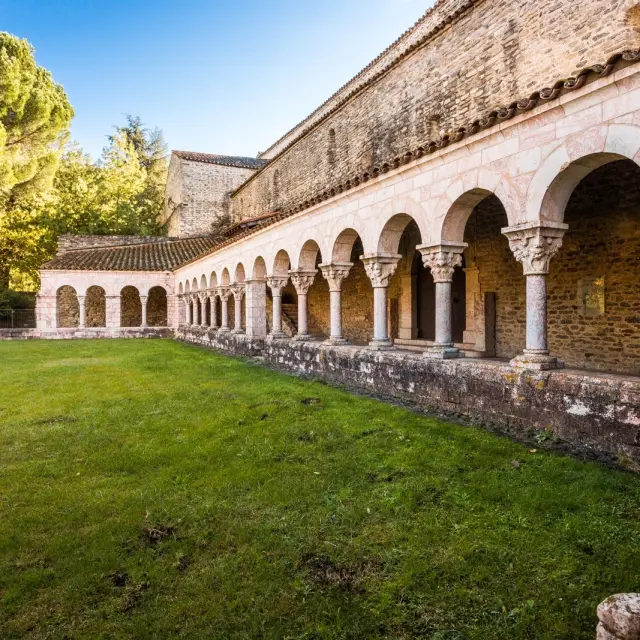
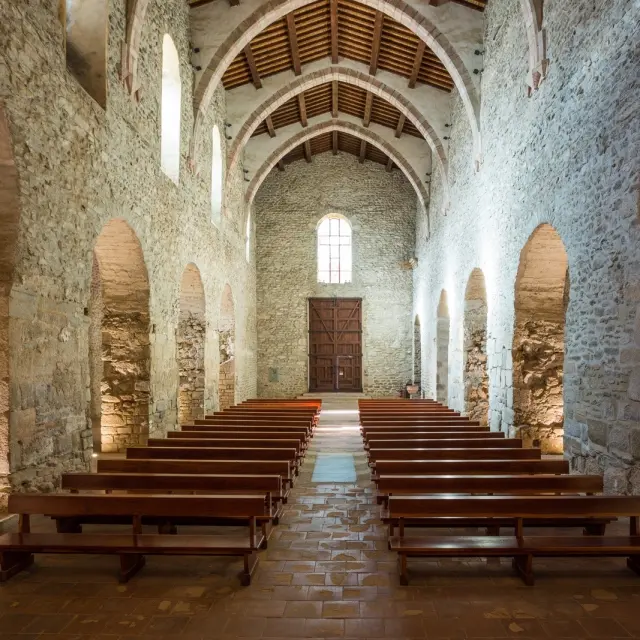
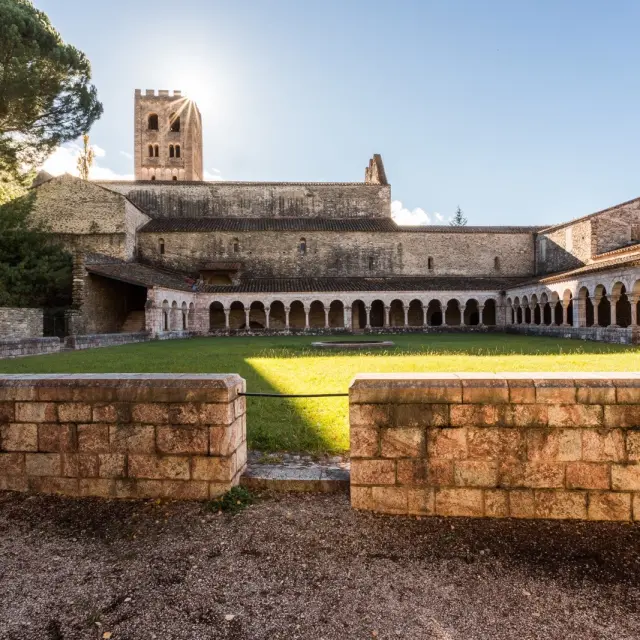
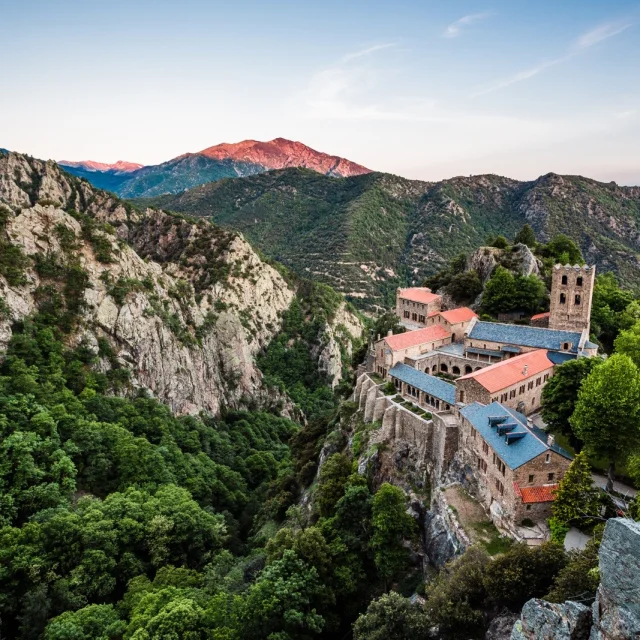
Saint-Michel-de-Cuxa Abbey

Dating back to the 10th century, Romanesque architecture is a style you’ll recognise straight away!

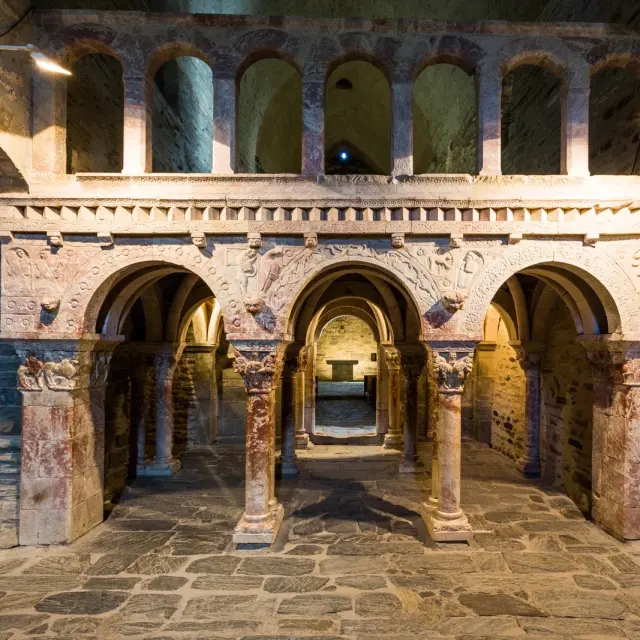
And to get you started, visitSaint-Michel-de-Cuxa Abbeywith its vaults, magnificent nave and truly unique crypt…

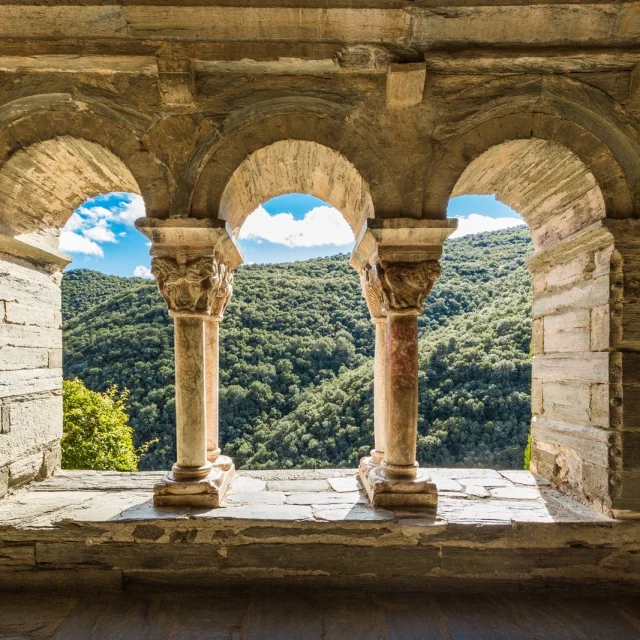
Once you reach the cloister – many of whose original pink marble capitals are on display at The Cloisters museum in New York – take a stroll through this serene setting in the shadow of the iconic Lombard bell tower.

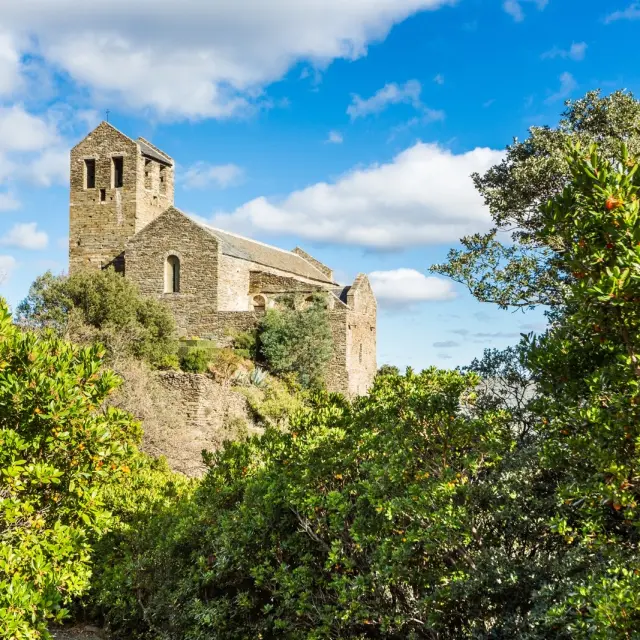
Serrabona Priory

To see one of the masterpieces of Romanesque art in the Pyrénées-Orientales, climb 600 m to the Prieuré de Serrabona.

This sleek grey schist building reigns supreme over a forest of holm oaks.

Once there, take the time to appreciate this exceptional, timeless setting and the Priory garden, a veritable conservatory of Mediterranean plants.

Last but not least, don’t forget to admire the tribune and cloister, with its extremely fine Romanesque sculptures.

 The abbey of Saint-Martin-du-Canigou, Marcevol and so many others!

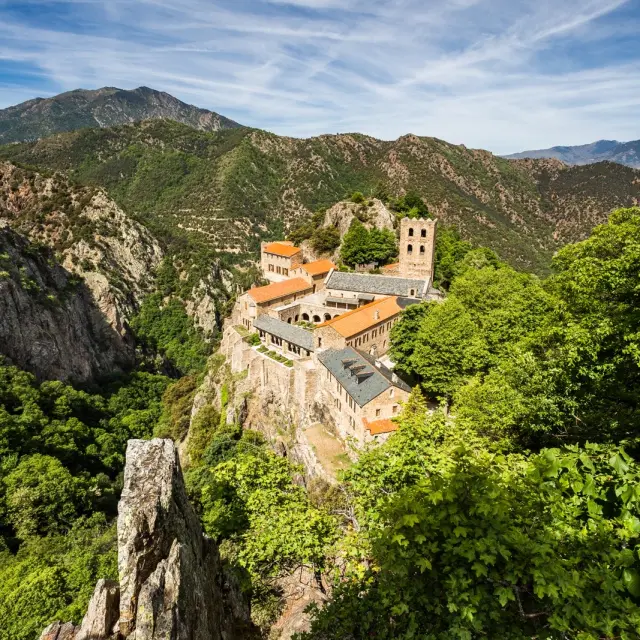
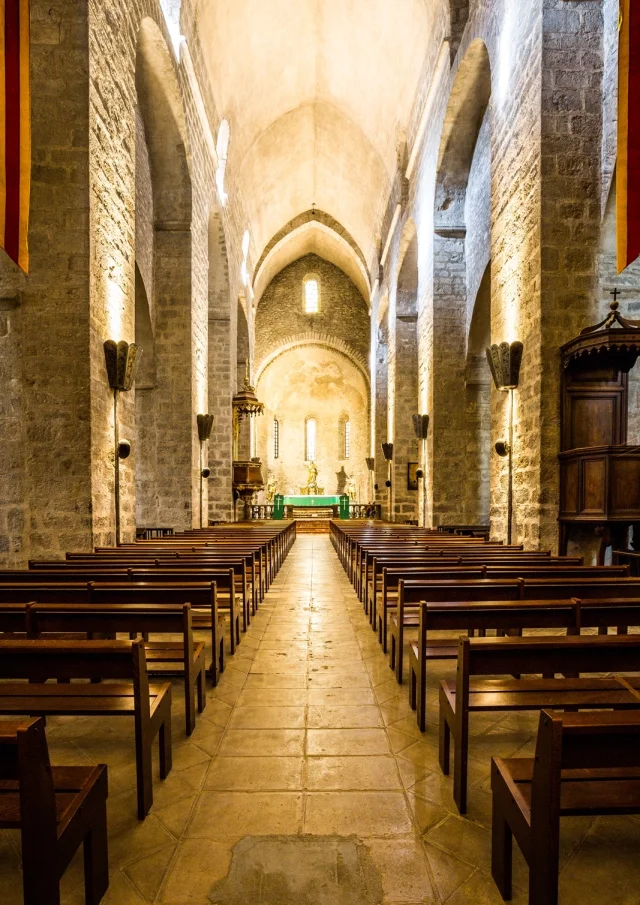
Listed as a historic monument in 1889,Saint-Martin-du-Canigou Abbey is also a fine example of Romanesque architecture.

Situated in the heart ofthe Canigou massif, this lovely Benedictine abbey is well worth the effort to reach!

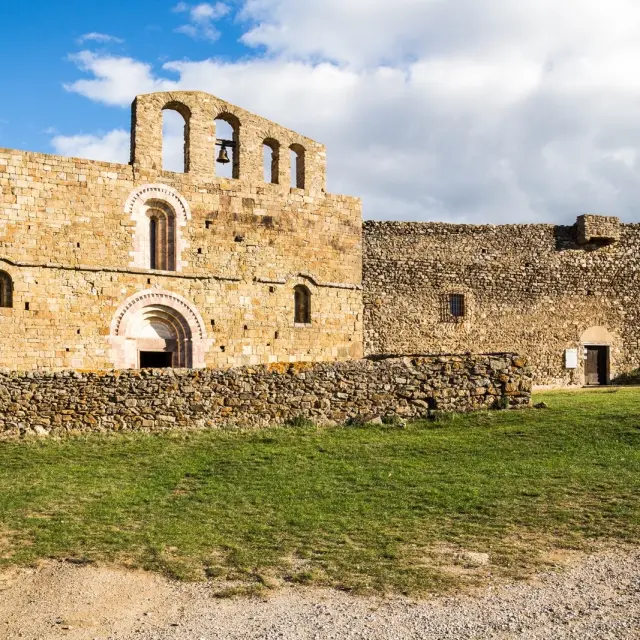
Come and visit the Priory of Marcevol, whose three-nave Romanesque church is notable for its geometric façade and its portal, both adorned with pink marble from Villefranche. One thing is certain: you won’t be disappointed with the trip!

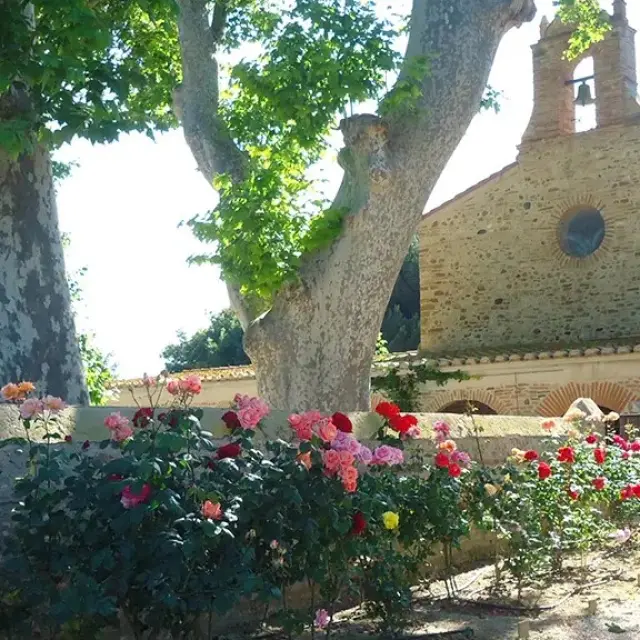
There are so many other places to discover, such as the Saint-Martin-de-Fenollar chapel and its frescoes, or the chapel at Juhègues, nestled in the countryside, that you’ll have to return to the Pyrénées-Orientales to see them all.

Discovering the cloisters of Gothic art

Towards the end of the 13th century, the Gothic style emerged, characterised by the slender columns and pointed arches of its buildings, which stood in stark contrast to the austere Romanesque walls.

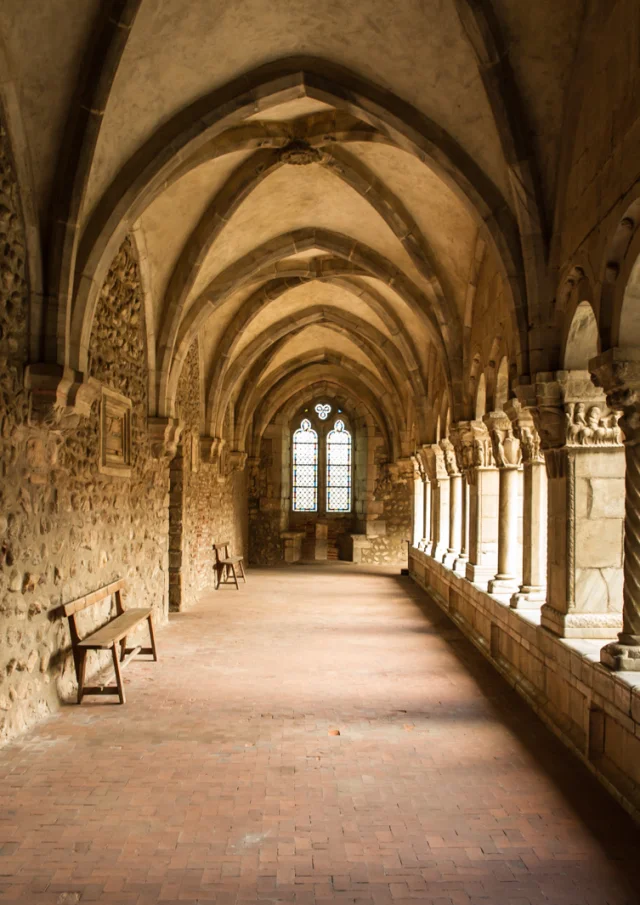
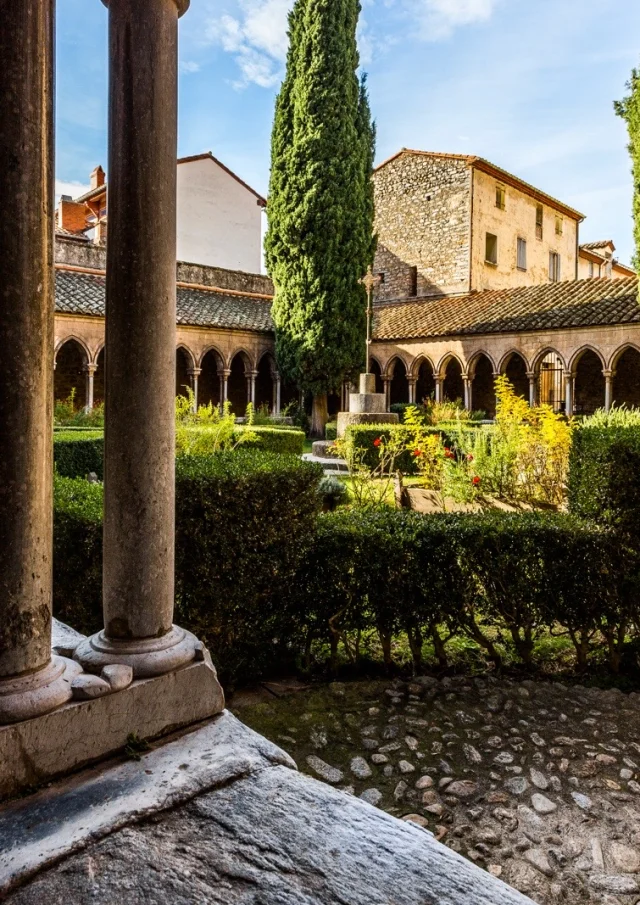
Step inside theCloister of Elneand, swept up in its spiritual atmosphere, you’ll find yourself deciphering the carvings on the capitals – a record of stories and legends for those who could not read. You should also plan a visit to theCloister of Arles-sur-Tech, adjacent to the beautifulSainte-Marie Abbey. And why not try to unravel the secrets of the Holy Tomb and its mysterious sarcophagus, from which very pure water flows?

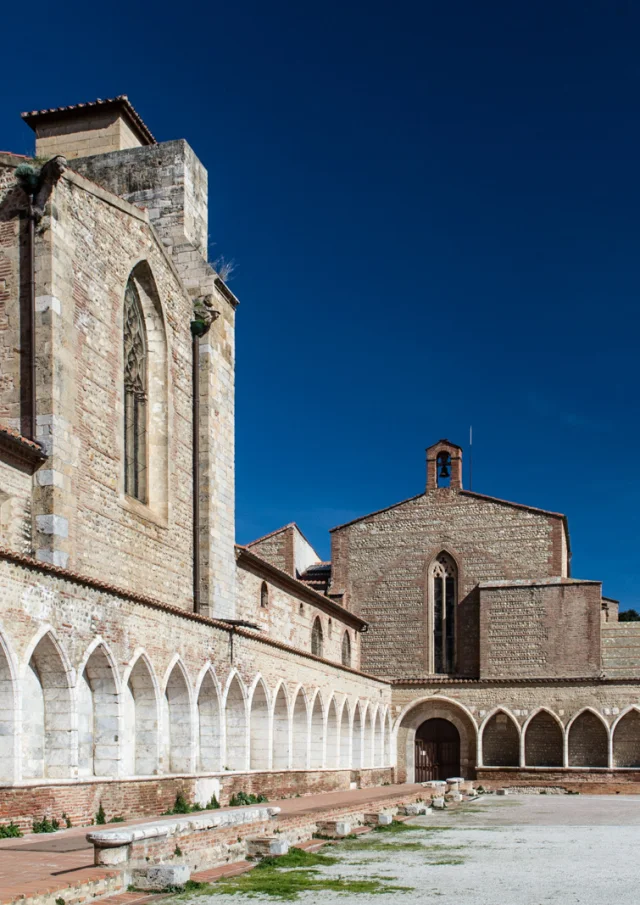
Continue your tour of cloisters with theCampo SantoinPerpignan: the largest and oldest cloister-cemetery in France, featuring an ossuary at its centre surrounded by galleries, all with pointed arches.

On the Route Vauban

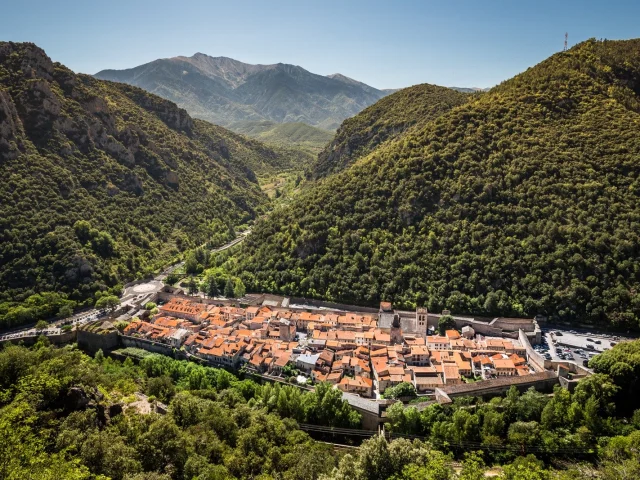
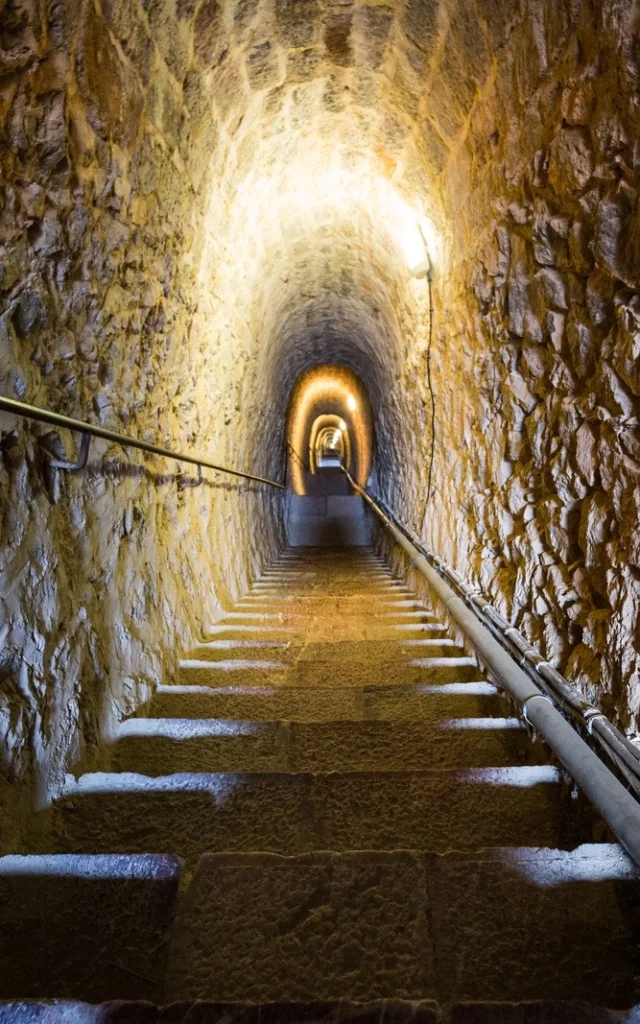
As Louis XIV’s chief urban planner, Marshal Vauban carried out extensive work in the Pyrénées-Orientales to secure and establish the new Pyrenean border between France and Spain. Come and exploreVillefranche-de-Conflent, a fortified town listed asa UNESCO WorldHeritage Site and awarded the‘Most Beautiful Villages of France’ label… Take a stroll along the ramparts and throughthe fortified cave of Cova Basterato admire the military structures before venturing down the underground passage leading toFort Libéria, a strategic vantage point between the valleys designed by Vauban.

Continue your tour withthe citadel of Mont-Louisandits‘convict’s well’, a reminder that this town was built by convicts.

Fort Lagardein Prats-de-Mollo andFort Bellegardein Le Perthusare two further watchful sentinels over the strategic valleys, designed by Vauban to keep watch for potential invaders.