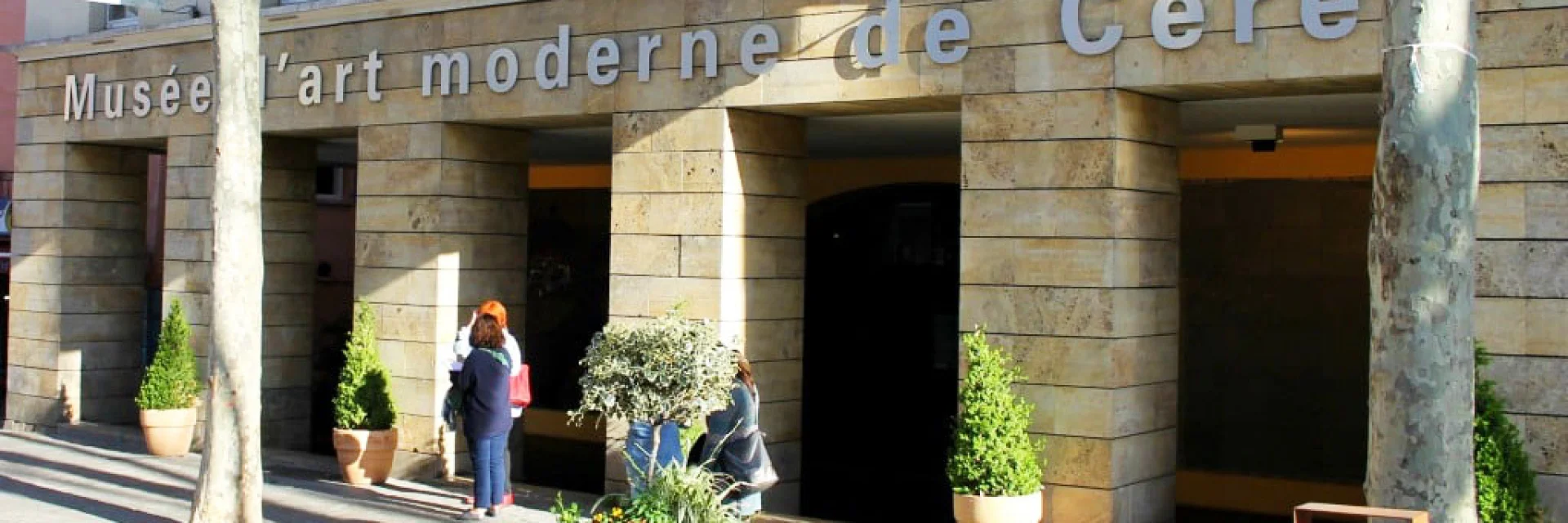

The façade of the Museum of Modern Art in Céret, with visitors at the entrance.
©

Céret Museum of Modern Art

|

ADT66

Céret, an art of living between past and present

A day in Céret

At the gateway to the Pyrenees and just a stone’s throw from Spain, Céret has a seductive Catalan soul and a rich heritage. With its picturesque streets, modern art museum, traditional festivals and fascinating encounters, Céret is a must-see in the Vallespir region. Between the works of Picasso, sardana dancing and local delicacies, discover this authentic town in the Pyrénées-Orientales.

Amandine

Meet Amandine, nicknamed "Bré". She's from the generation of Club Dorothée, Malakofs and Super Mario. Why "Bré"? How can I put it: am(brée) like muscatel, equili(brée), cham(brer), cam(brée), so many words that stick to her, especially the last one, because just as Aristide Maillol had his muse, in the Pyrénées-Orientales we have our Amandine. She's a true Catalan, generous, authentic and 100% natural. "Bré' is a modern-day Indiana Jones.

Céret the cultural and Catalan capital of Vallespir

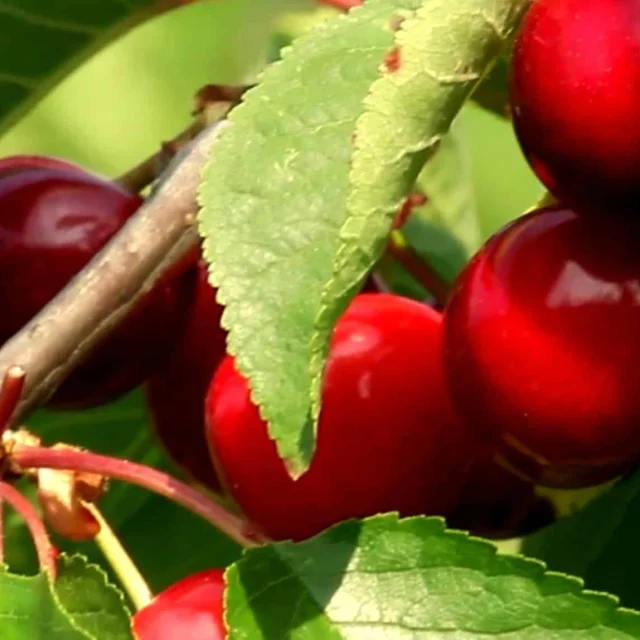
In Céret, we’re neither French nor Spanish, but Catalan! When we think of Céret, we think of cherries, its museum of modern art, its famous féria and even its rugby team. But the Céret I’ve rediscovered has so many more facets.

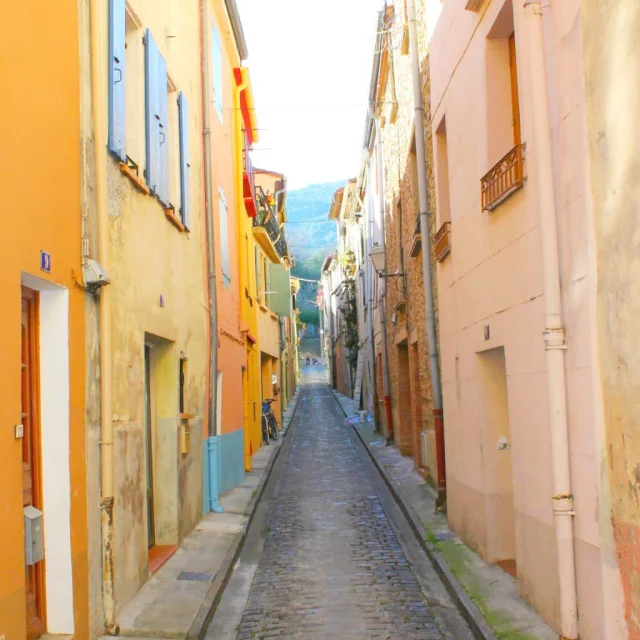
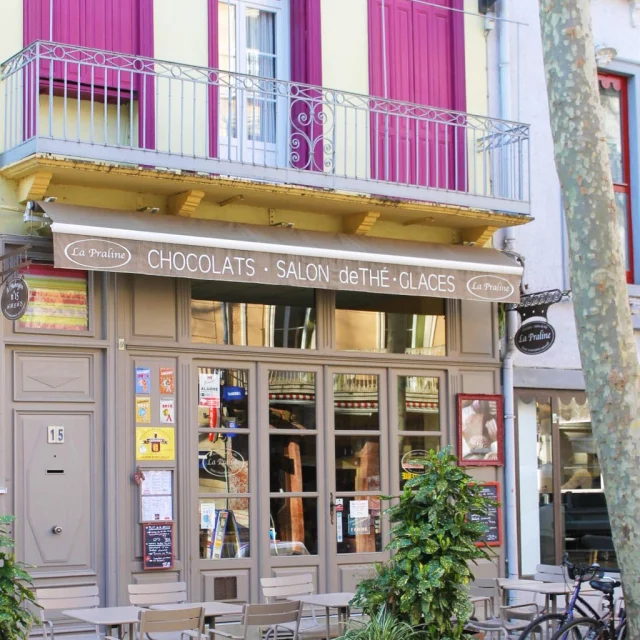
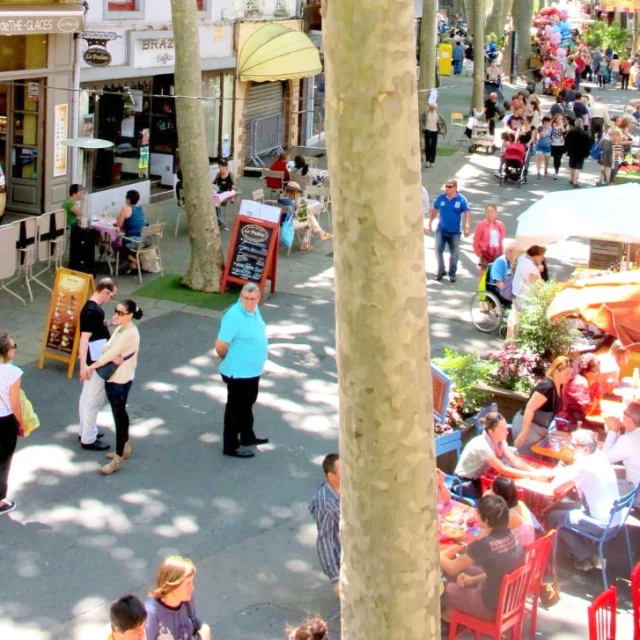
It’s 9 o’clock on Tuesday 14th March, and time seems to stand still. The cafe owners are setting up their terraces, the sun is shining on the multicoloured facades with their rainbow shutters, passers-by are smiling, Céretans are reading L’Indépendant as they sip their coffee. There’s nothing to say, we’re in the South.
Renée Léonardi An emblematic figure of Céret

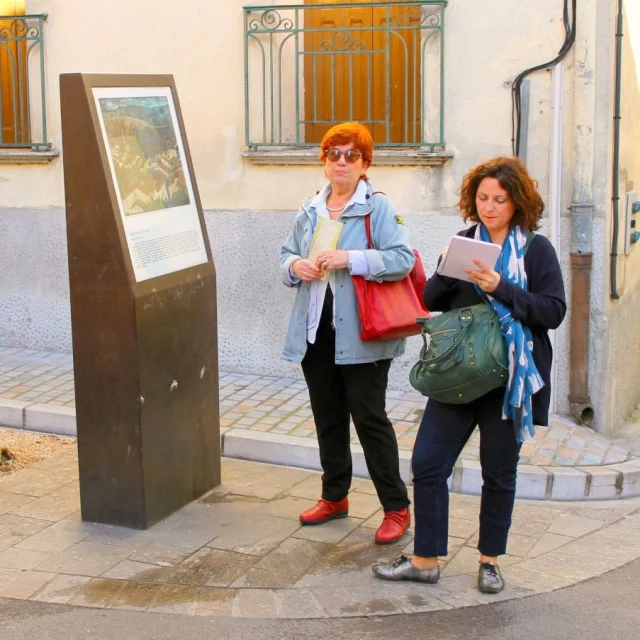
I have an appointment with Renée Léonardi, a key figure in the town. Renée, that’s her: passionate, fascinating. She’s a cultural councillor, a teacher, a feminist, a granny and a Columbian in her spare time. At first glance, I have a very good feeling about her. I’ve got a feeling this is going to be an emotional morning!
The must-haves visit to Céret

Now! The tour begins. When I look up, I smile, and with good reason: Carrer del petit Barri is called rue du petit Paris… Renée understands that I’m Catalan. Yes, “barri” means “neighbourhood”, not “Paris”.

Renée also talked about the history of the museum, which is none other than the former Couvent des Carmes, and its founder Pierre Brune, and took me past the hundred-year-old plane trees, under the Porte d’Espagne and then the Porte de France.

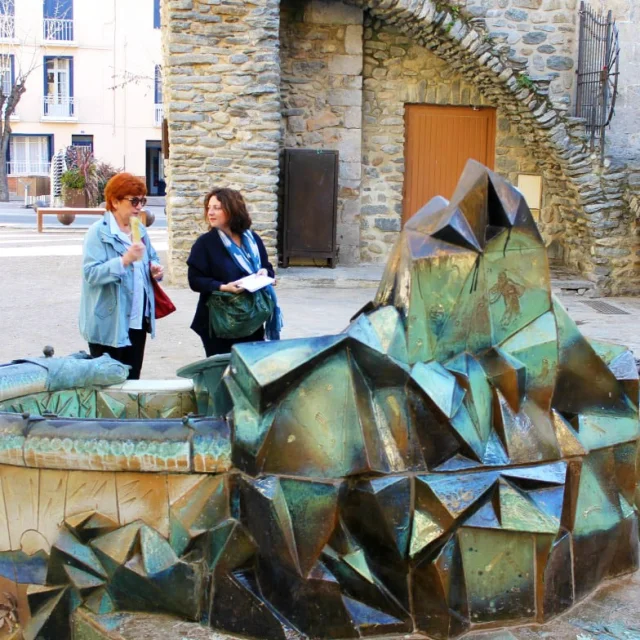
She also explained to me that in Céret, if the inhabitants had sometimes been short of food, they could never have been short of water. All the water pipes and fountains bear witness to this, including the 9 jets fountain, with its lion’s head looking back towards Spain…

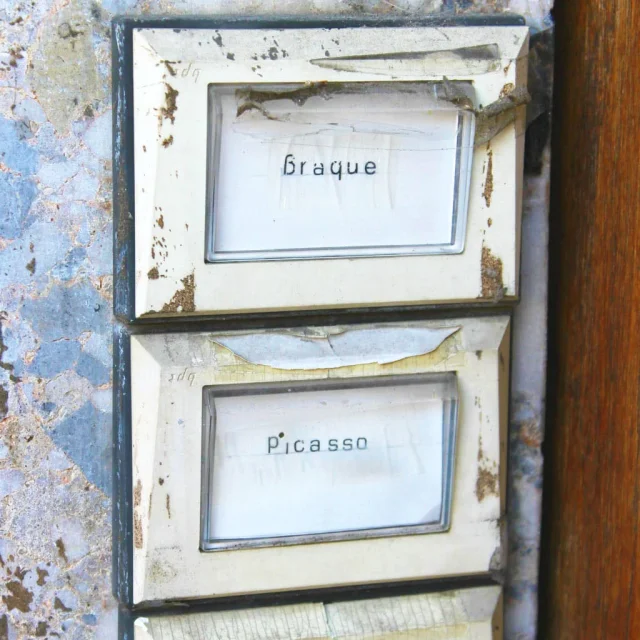
The tour continues. We passed the Maillol war memorial, then the rue des Evadés, number 3 to be exact, where I was surprised to discover the home of Braque and Picasso! Amazing, isn’t it?

Renée Léonardi

The Secretary of State was not Catalan.

Céret the great artists of the 20th century

I could talk about Picasso ‘s life in Céret. His conquests, each time different, his 53 works that he donated to the town in the presence of his friend Jean Cocteau, his passion for bullfighting, certainly his minotaur side.

Or that of Soutine, the “cursed artist” who came to Céret for fear of being executed in his own country. His very marginal side, his obsession with absinthe, his horror of the Catalans because he didn’t understand them. But above all, from the day he was able to buy back all the paintings he had done in Céret so that he could burn them. He wanted to erase all traces of his passage.

Catalan traditions and popular festivals in Céret

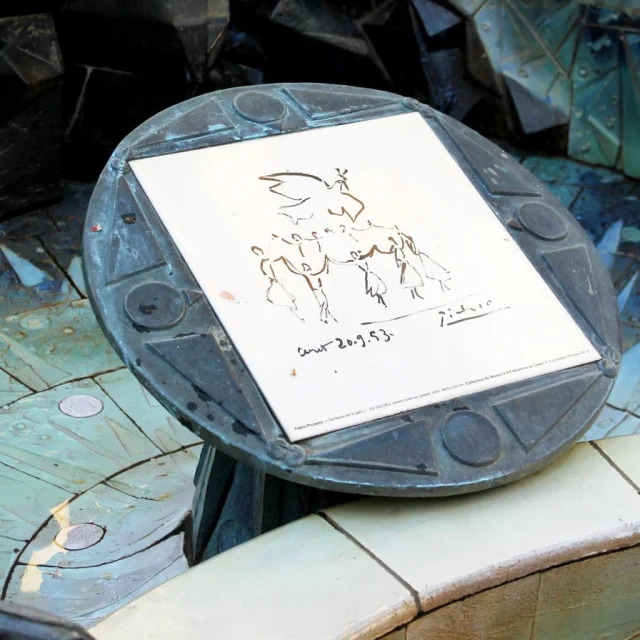
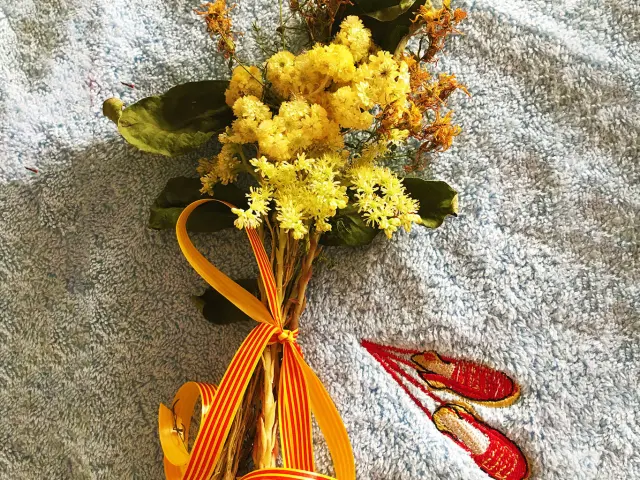
Renée talks to me about traditions, culture, Goigs dels Ous, Carnival, Saint John’s Day bonfires with their bouquets of ramallets. That was my childhood! It was then that my eyes fell on a drawing. A drawing of a dance that is particularly close to my heart. It has been passed down through the generations. Even today, no festival goes by without young and old joining hands and looking in the same direction. This rhythmic round dance to the sound of the coblas brings the people together under the benevolent eyes of our ancestors, obviously wearing vigatanes. The Sardana was a man’s dance, with real political demands. A symbol of freedom, it was democratised and survived Franco’s regime.

In 1953, after a barbecue in Saint Féreol, Picasso took a break at the Grand Café in Céret. A regular visitor, he asked for a sheet of paper and a brush (the kind used to write prices on the slate) and drew a sardana. But it seemed a little empty and with two strokes of the brush, the dove appeared. The “Sardana of Peace”, a message of hope, was born.

My day in review

The town of Céret lived up to more than its promise. A gentle blend of watercolours, oil paintings, Santa Espina and traditions. My dear readers, I’m going to tell you a secret: between two doors I heard about a magical place where time would stand still… It’s called “Domaine des Arbousiers”. I promise one day I’ll tell you all about it! See you soon.

Practical info To visit Céret

Access

By car: Céret is 30 minutes from Perpignan on the D900 and 20 minutes from the Spanish border (Le Perthus).
By bus: liO regional network – Perpignan ↔ Céret line (€1).

Best time to visit

Spring: cherry blossom, cherry festival (May-June).
Summer: féria and cultural events (July-August).
Autumn: mild weather, colourful markets.

Must-see sites and activities

Céret Museum of Modern Art (exhibitions by Picasso, Chagall, Soutine, etc.).
Historic centre, gates of France and Spain.
Fountains and century-old plane trees.
Shopping streets and traditional markets (Saturday mornings).

Preparing your stay

Plan interactif : 1 lieux répertoriés.

  • Lieu sans nom
Do you enjoy this experience? Have you done it yourself and want to share it with your friends?

More experiences in the P.O.