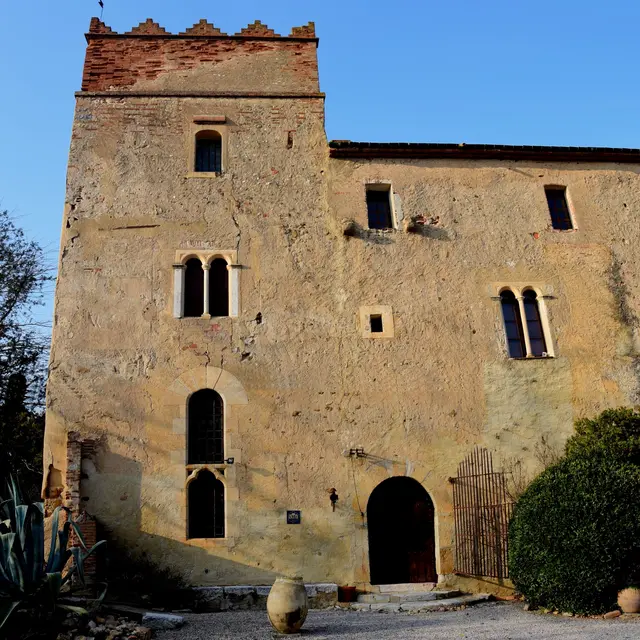
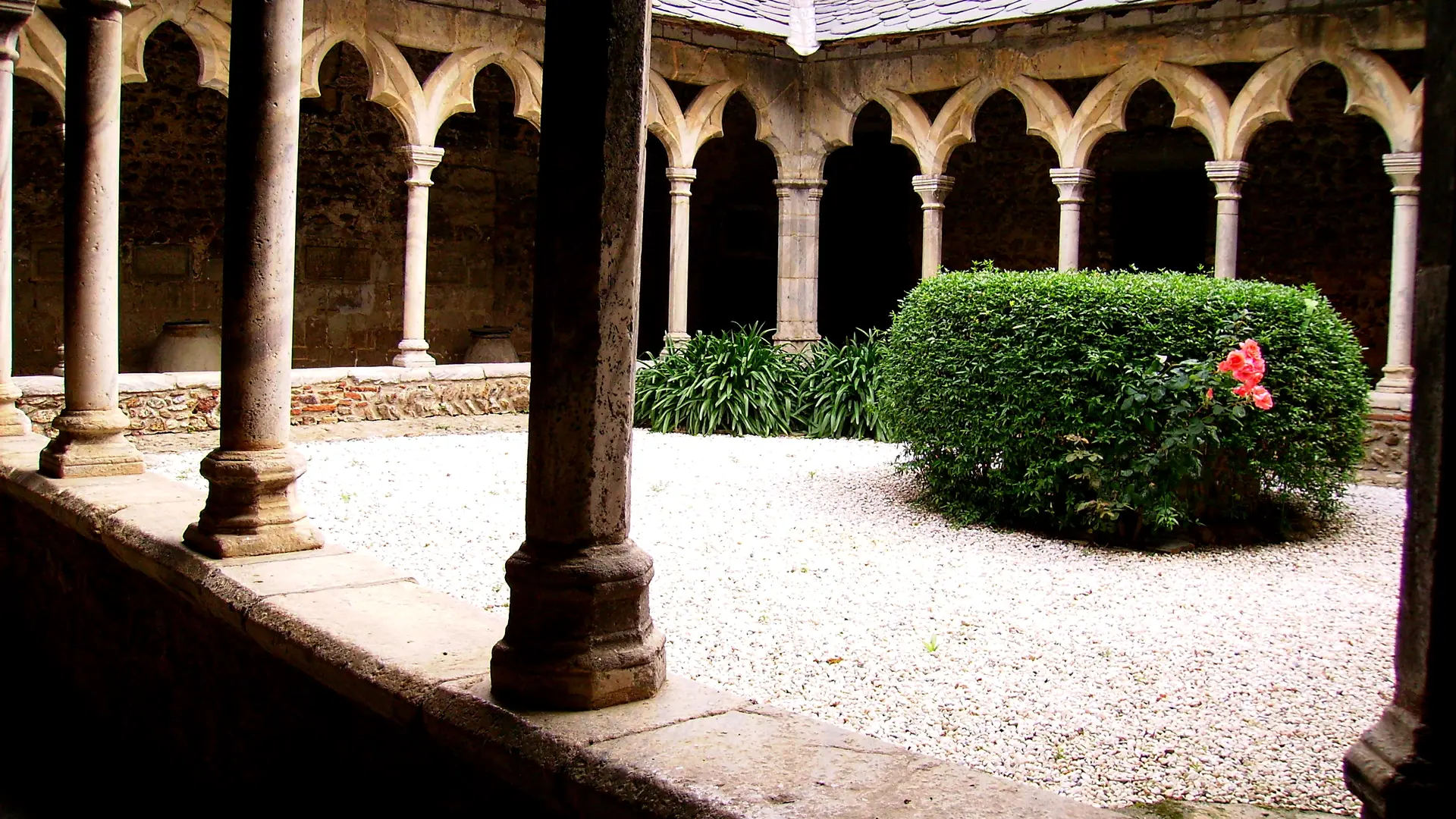
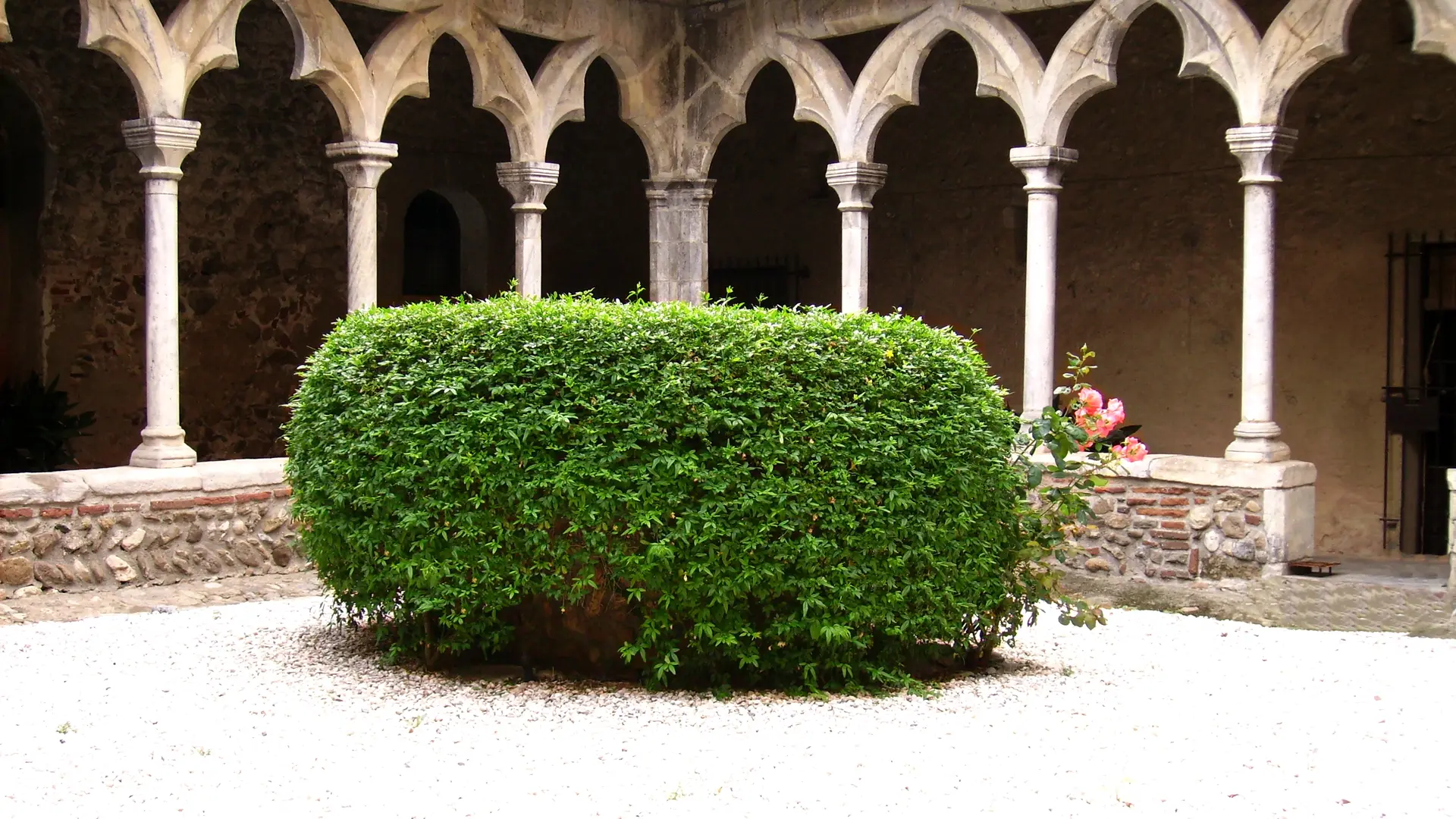
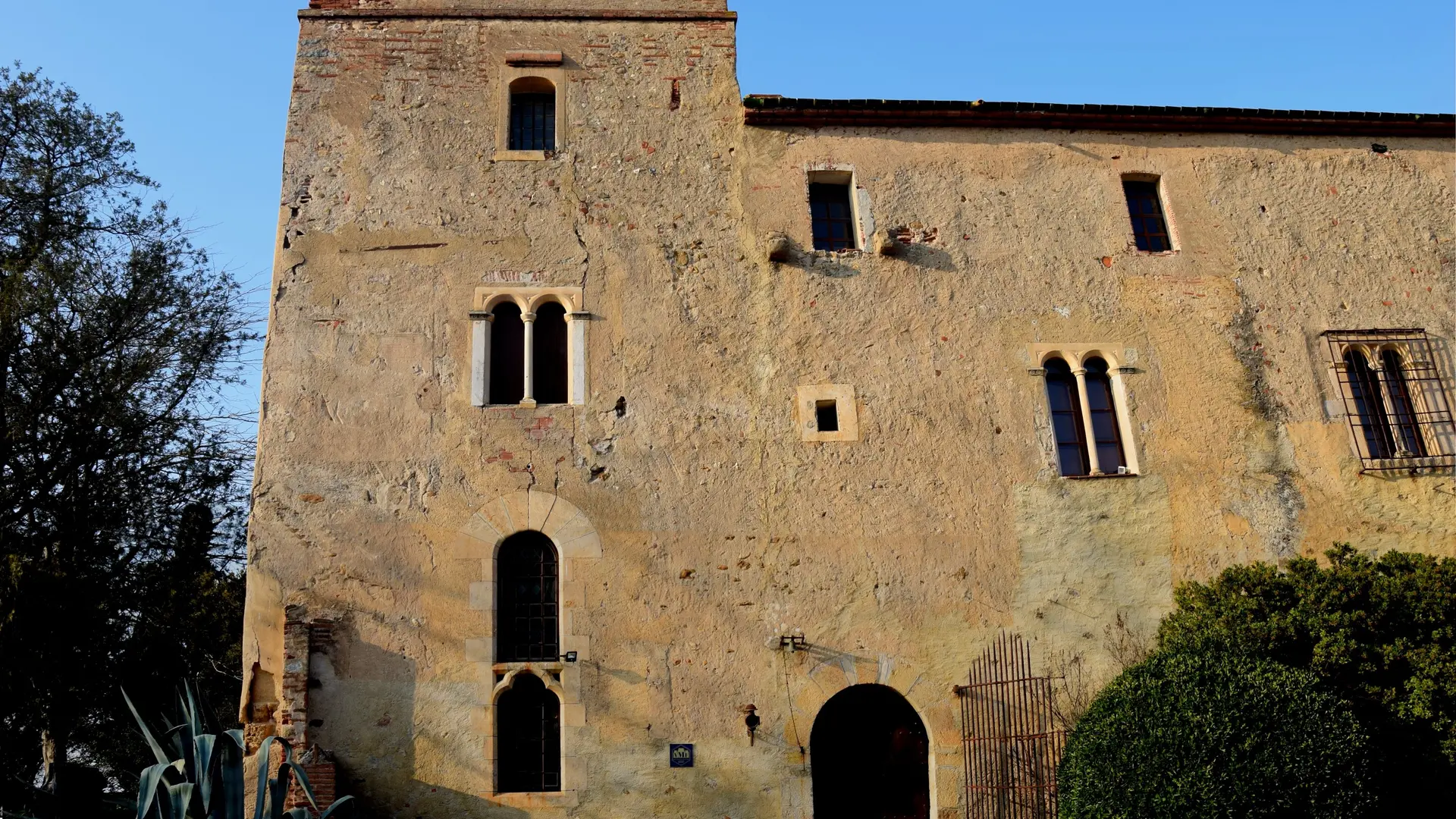
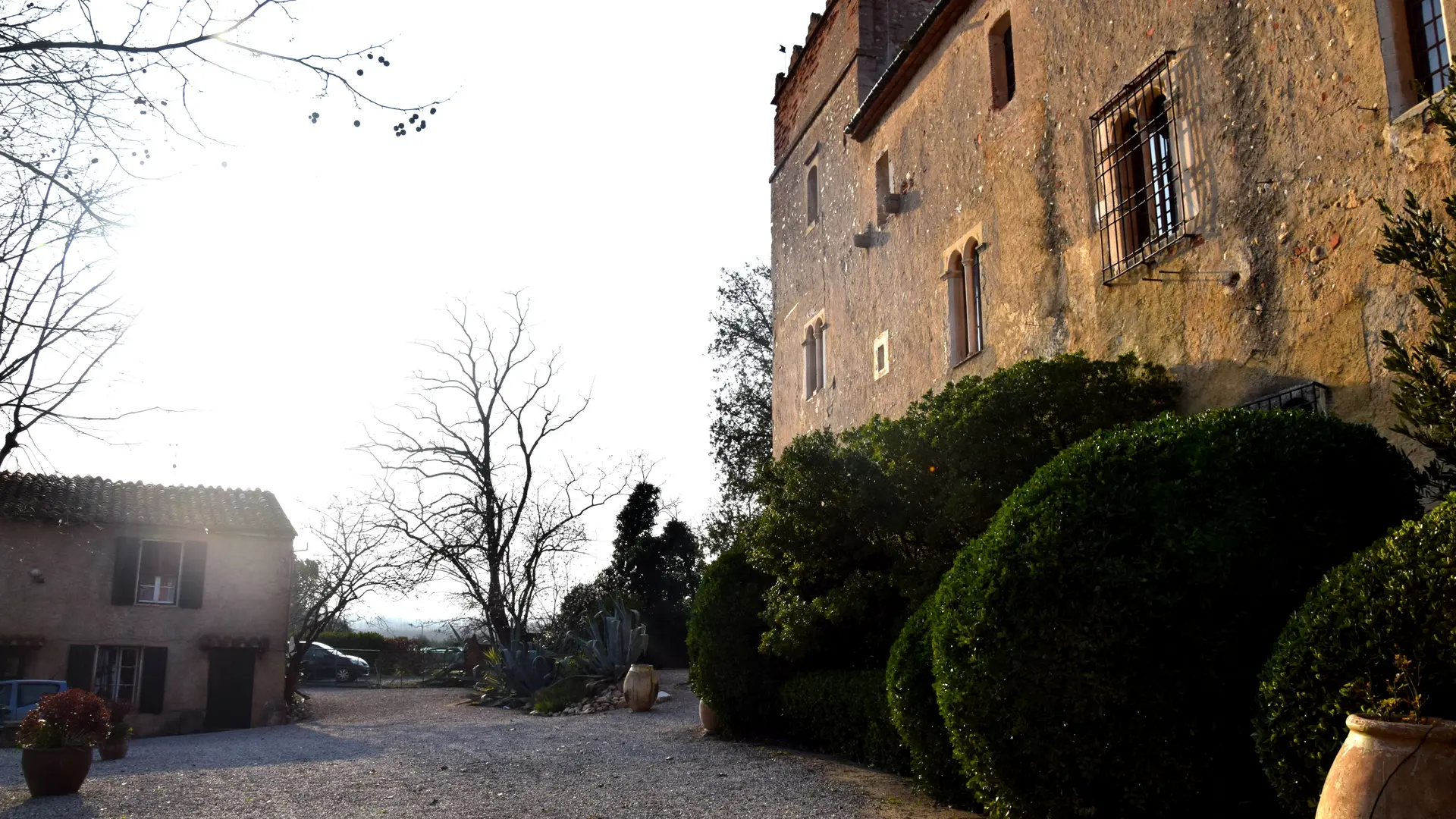
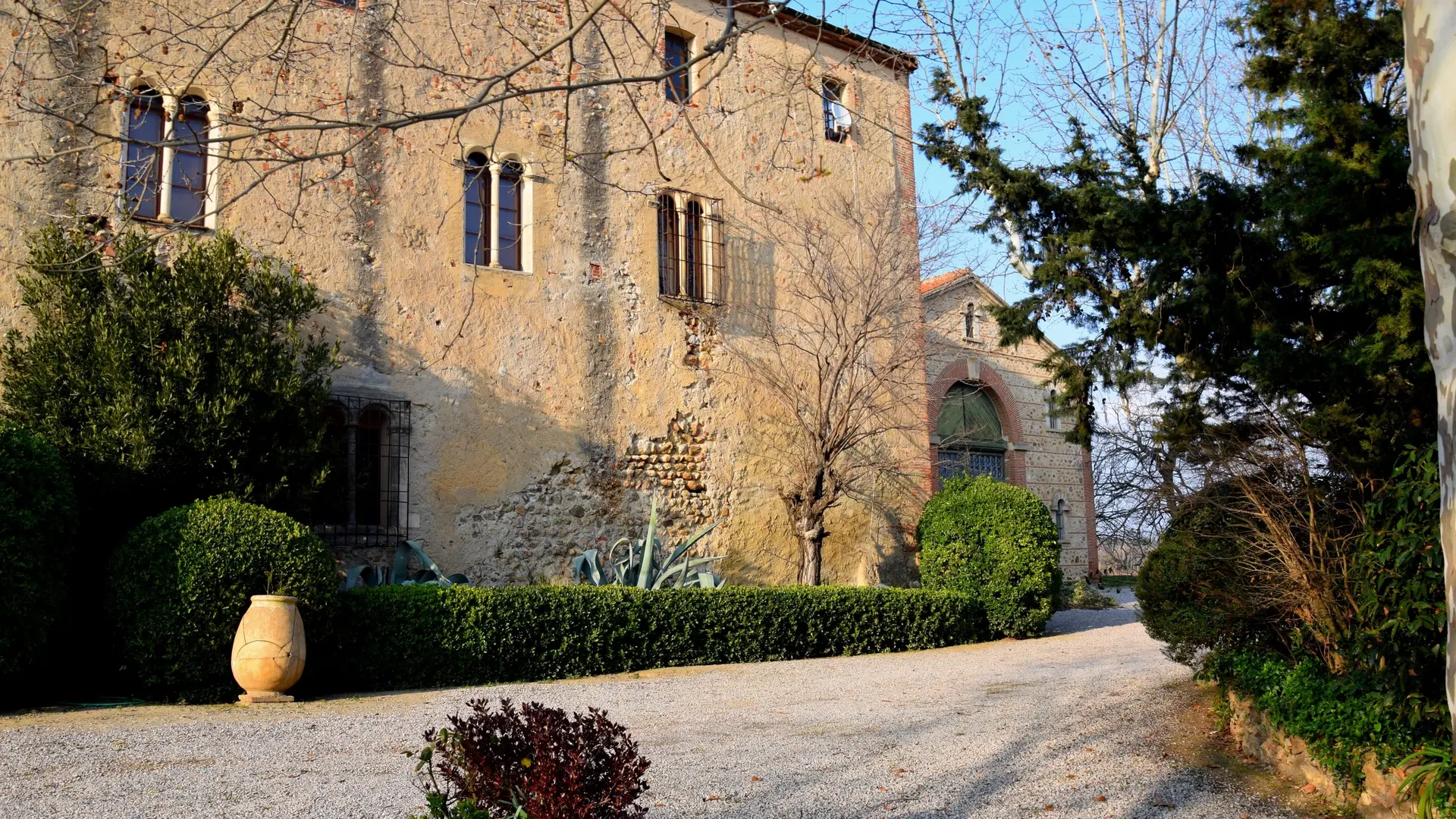
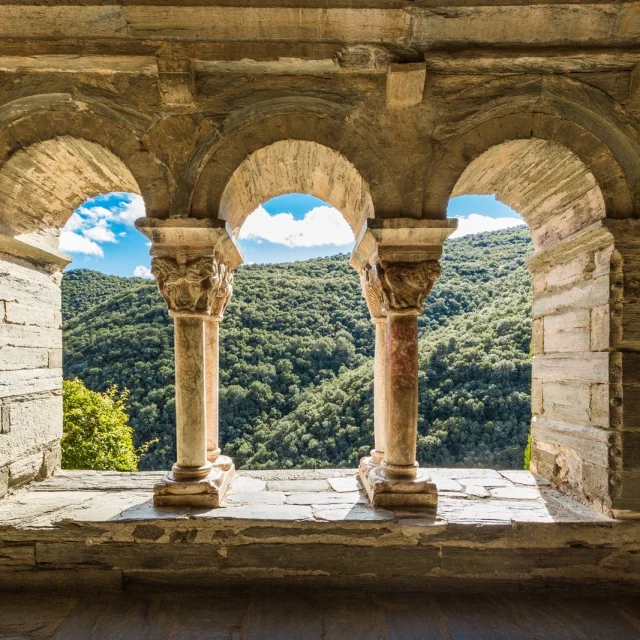
The priory dates back to the 11th and 13th centuries and has been listed as a Historic Monument since 1862. It is a majestic quadrangular building set around a Gothic cloister of great elegance.
The church has a white marble portal adorned with a double archivolt that falls on columns surmounted by capitals. The capitals feature themes and techniques reminiscent of the Master of Cabestany, an exceptional sculptor from the late Romanesque period.
Monastir del Camp is Catalan for "The Monastery of the Camp", in reference to Charlemagne's victory over the Saracens. The "Monastère du Camp" belonged to the community of Thuir. Founded at the request of Charlemagne following his victory over the Saracens, it actually welcomed the "Del Camp" community on the orders of Artal II, Bishop of Elne, in 1116.