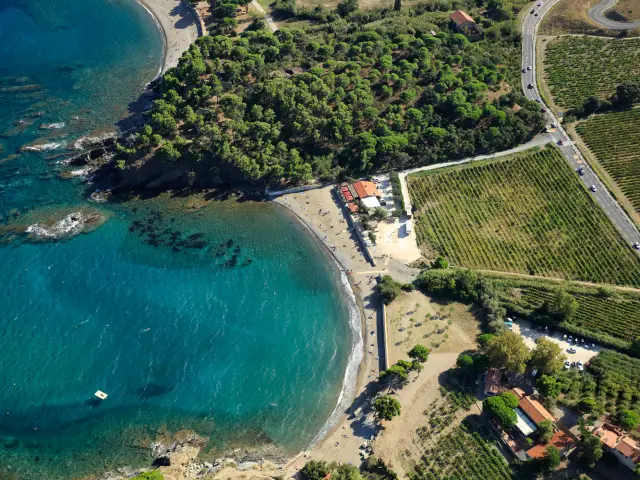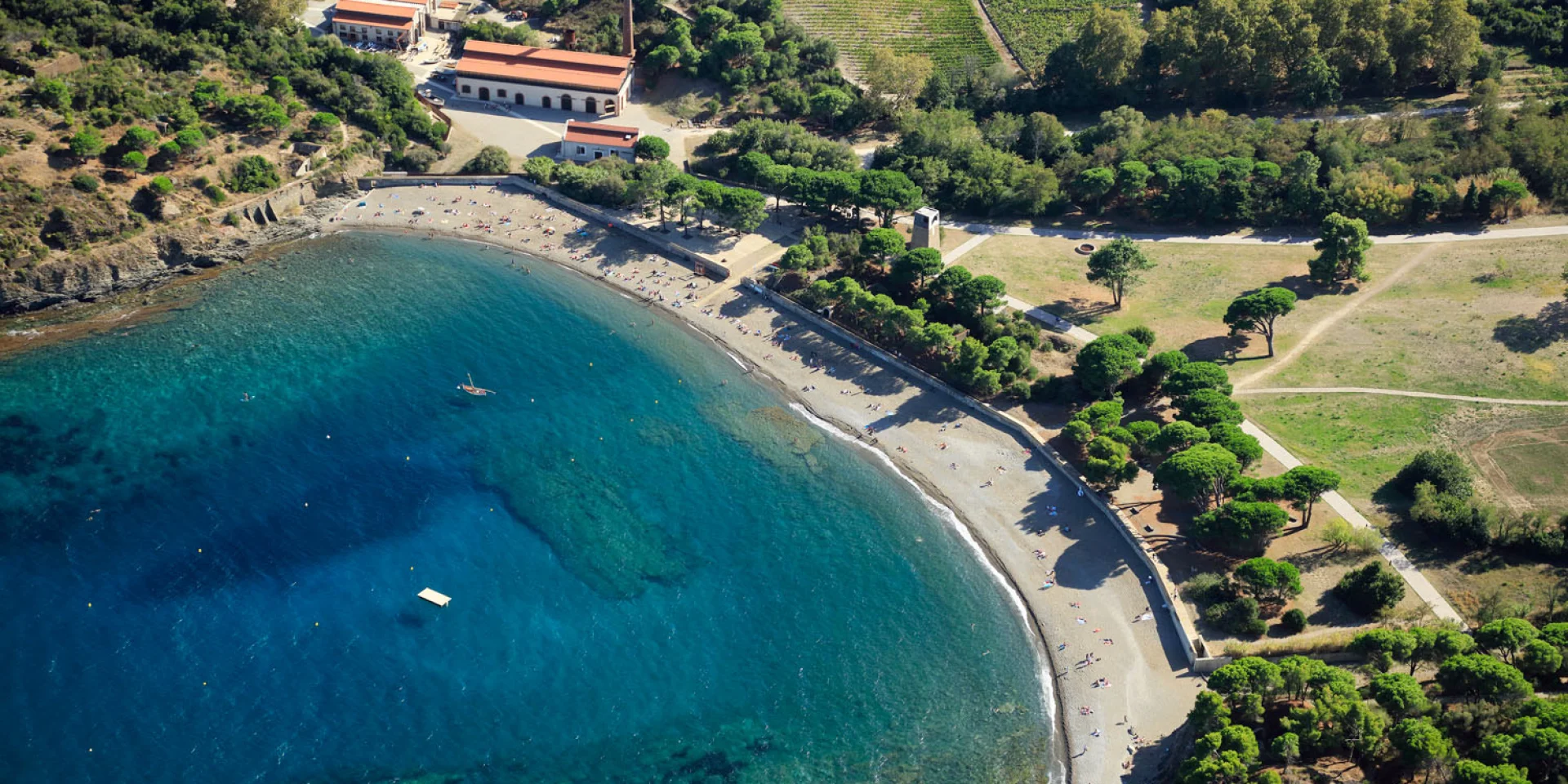
An aerial view of Paulilles Cove in the Pyrénées-Orientales, with its pebble beach fringed by turquoise waters and surrounded by greenery.
©

(66) Pyrénées-Orientales: Paulilles Creek as seen from the air

|

Frederic Hedelin

The Paulilles cove is a listed site, for a beautiful escape

For a getaway in the heart of nature, head for the listed site of Anse de Paulilles. In a protected natural environment, this is the perfect opportunity to relax on the beaches and discover the history of a former industrial site.

Nature excursion to Paulilles cove

On the coast, between Cap Béar and Cap Oullestrell, the listed Anse de Paulliles site offers breathtaking scenery.

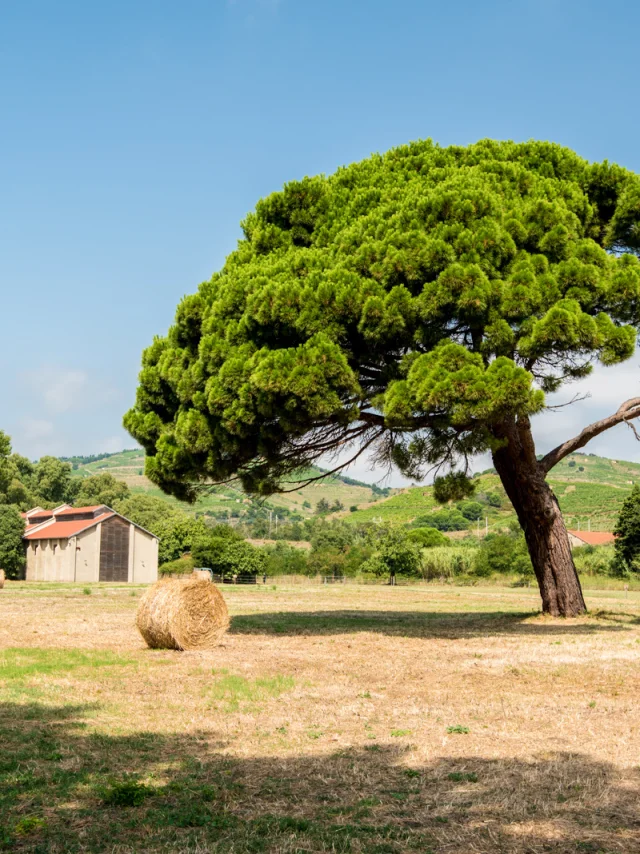
Between sea and mountains, terraced vineyards and cork oak forests, venture along the signposted footpaths for a walk in the heart of a protected natural park.

While walkers can take the coastal path from the beaches, others can climb up to the former water tower, now a lookout point, for a panoramic view of the site and the coast.

See the Anse de Paulilles webcam
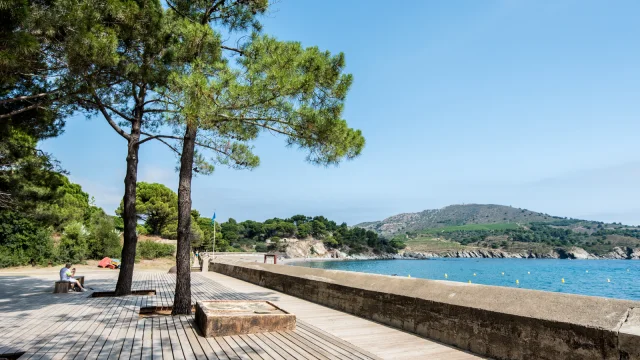
Anse de Paulilles listed site Between coves, pine forests and industrial heritage

SITE CLASSE DE L'ANSE DE PAULILLES
RD 914, 66660 Port-Vendres

Plan interactif : 1 lieux répertoriés.

  • Lieu sans nom

Spoken languages

Spoken languages
  • French

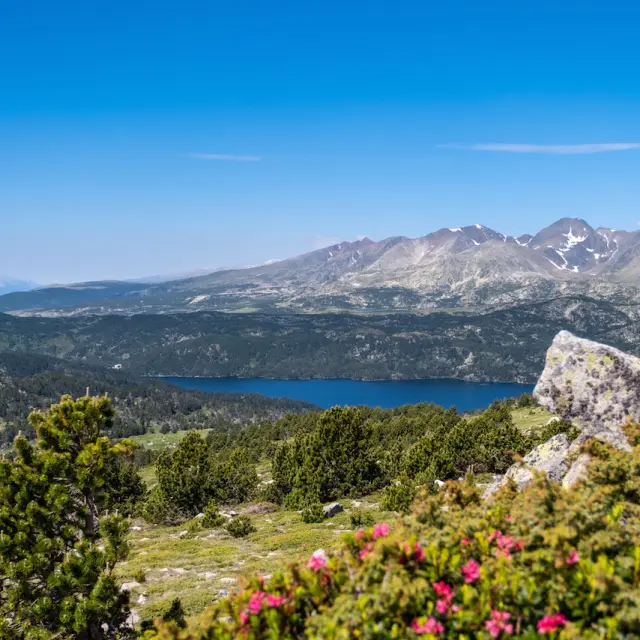
A mosaic of landscapes

Along the way, you’ll discover a variety of panoramas. On one side, small beaches separated by rocky promontories, and on the other, a landscape of dazzling colours. It’s easy to see why it’s called the Côte Vermeille!

Don’t forget to look around you, as many protected plants are hidden in the landscape, such as the Armérie du Roussillon, the Polycarpon de Catalogne and the Pyrenean carnation.

Enjoy the coves of the Côte Vermeille

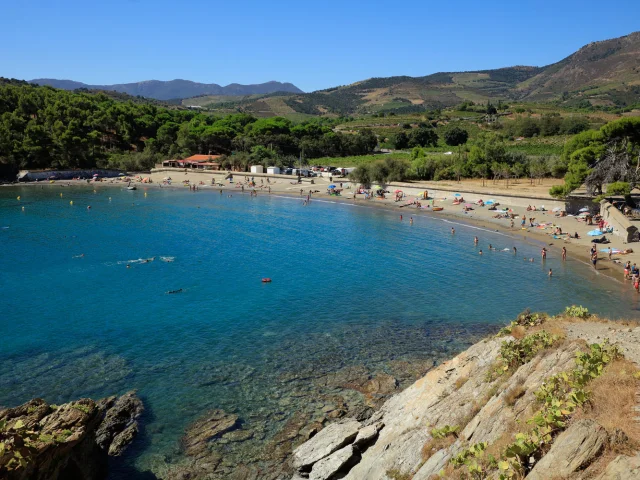
For those who prefer to laze on the beach, the Paulilles cove has some of the most beautiful beaches and sandy coves, at the foot of the Albères massif.

Along the way, you’re sure to notice the great German wall that prevented the Allies from landing on the coast in 1943. It’s a great time to look back at the great moments of history with your family!

Classified site of the Paulilles cove Here, everything is luxury, calm and pleasure

PAULILLES, AN EXPLOSION OF THE SENSES…

I remember walking as a young adventurer, as a reckless teenager, into this former dynamite factory set up by Alfred Nobel in 1870, on the Côte Vermeille, in Paulilles, a major centre of industrial production for over a century…

I loved discovering what lay behind the luxuriant vegetation, the ochre earth, the barbed wire and the ruins… At the time of my explorations, the factory was closed to the public!

I’d like to take you back to my youth, to help you discover this little corner of paradise…

Béatrice

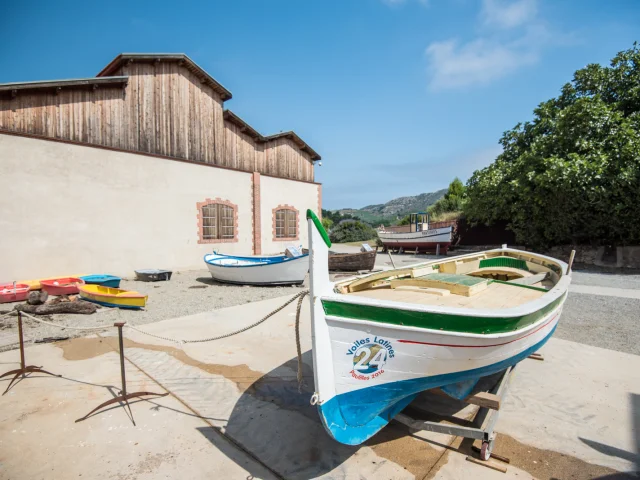
Visit the Catalan boat workshop

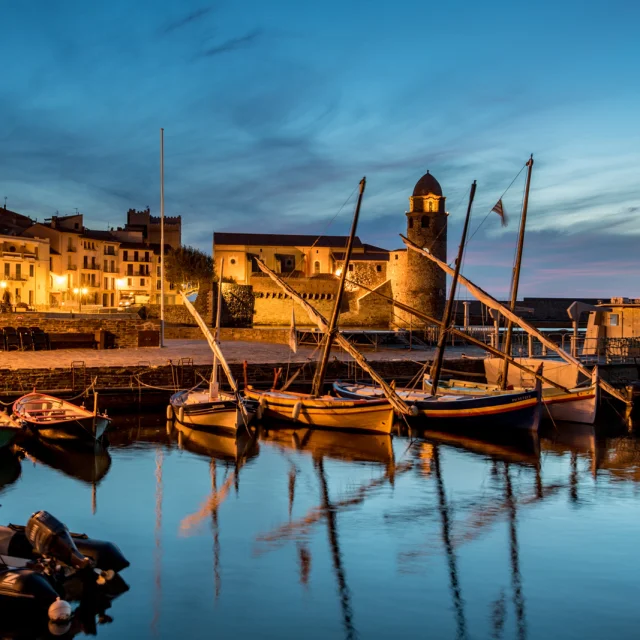
For lovers of the sea, take the time to venture into the Catalan boat restoration workshop.

The carpenters will explain that these fishing boats, more commonly known as “barques catalanes”, were once used along the Mediterranean coast to net sardines and anchovies.

Today, the craftsmen who restore this genuine local maritime heritage will share their know-how with you and explain how they renovate these traditional multicoloured boats. A unique visit guaranteed!

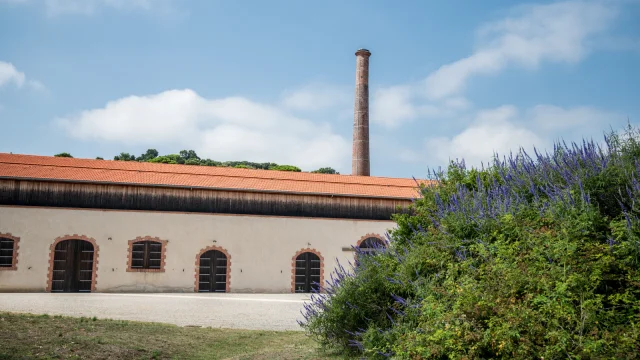
The former dynamite factory : a working-class heritage in the heart of nature

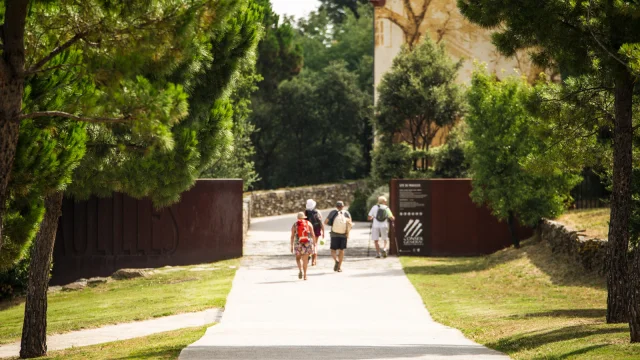
Exploring the Paulilles cove also means following in the footsteps of a site that was once home to one of France’s most sensitive industries. To better understand this 115-year history of the industry, head for the 17-hectare landscaped park!

A visit to the site will take you back to 1870, when Alfred Nobel and his partner Paul Barbe decided to set up a large dynamite factory on the Mediterranean coast, with hundreds of workers, thousands of tonnes of dynamite, a church, a school and shops…

Today, 7 of the factory’s 32 buildings are open to the public, giving you the chance to explore this exceptional industrial heritage.

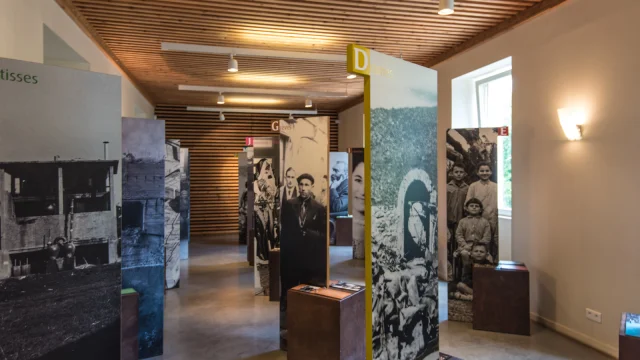
Heading for the site house

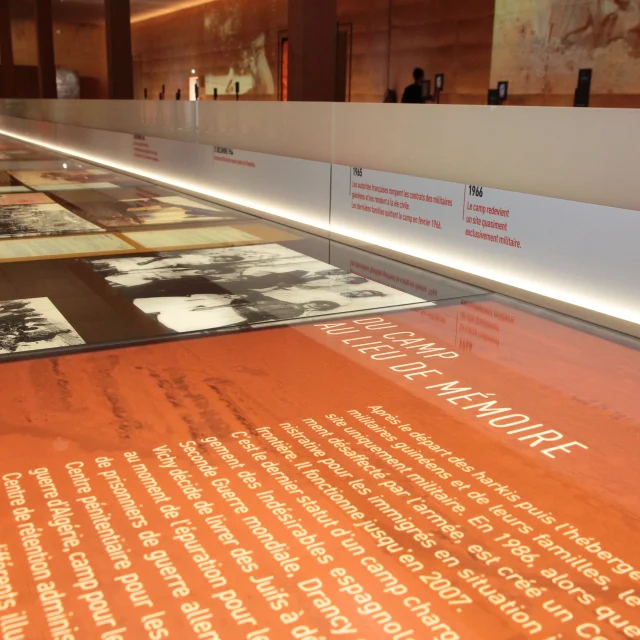
Thanks to the site house, with its original museography, photographs and collections of personal accounts, you can discover the Paulilles of yesteryear and gain a better understanding of how the workers lived there.

Discover All our must-haves