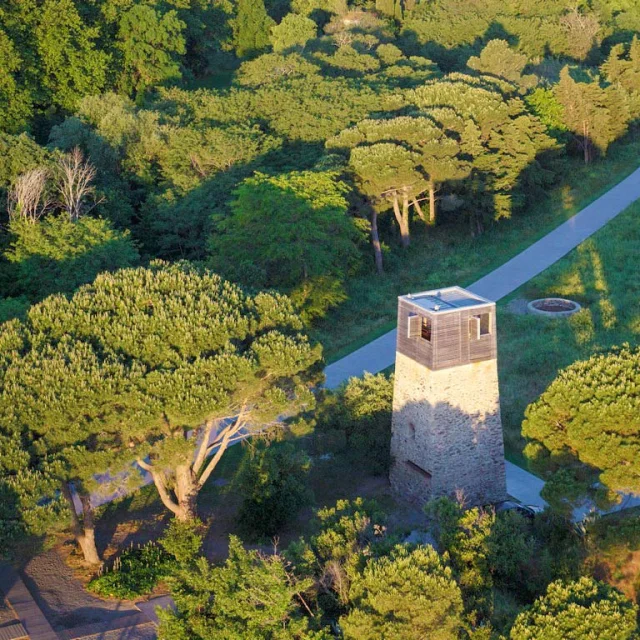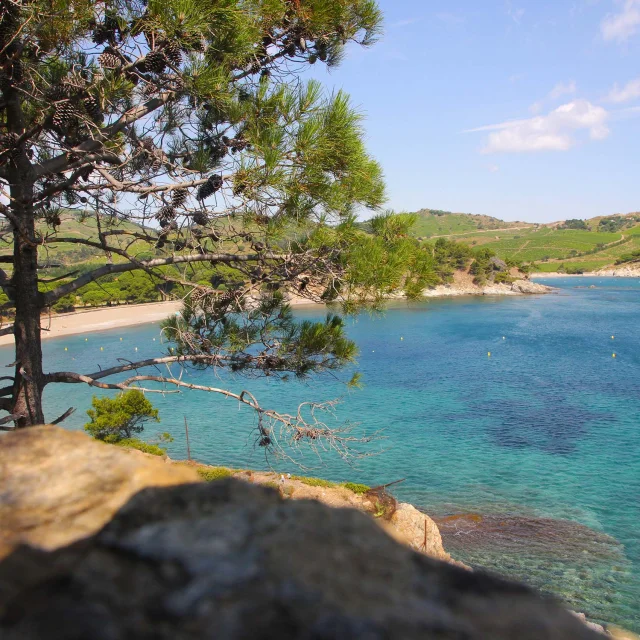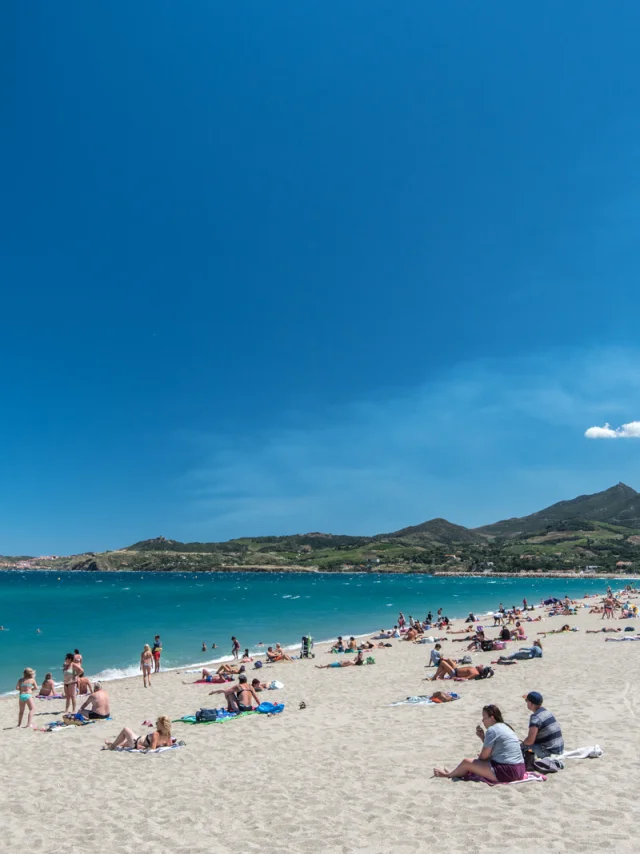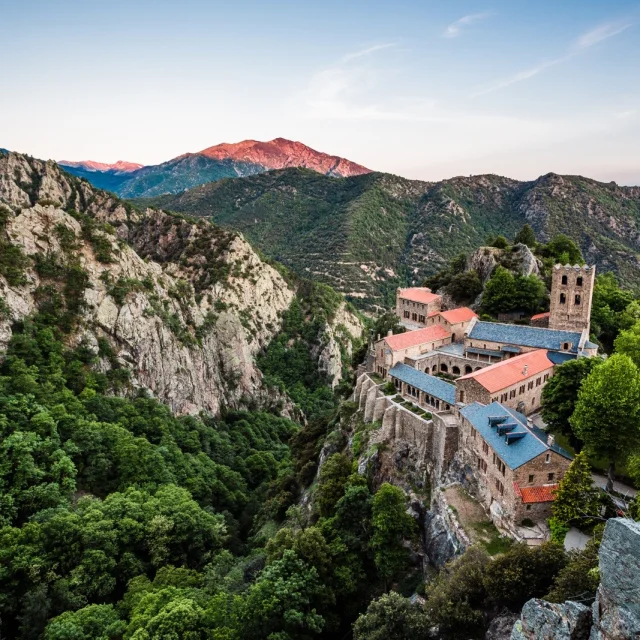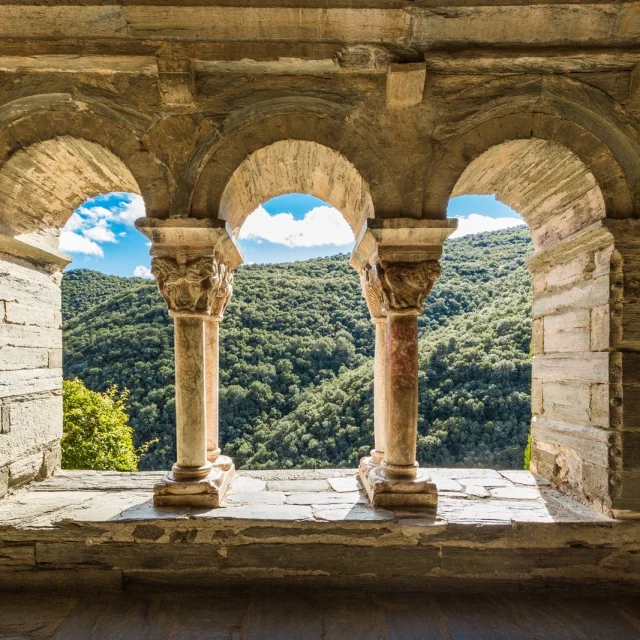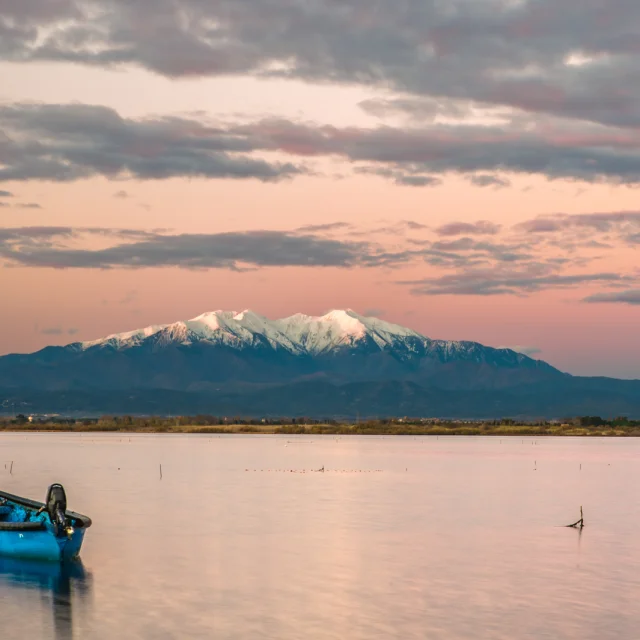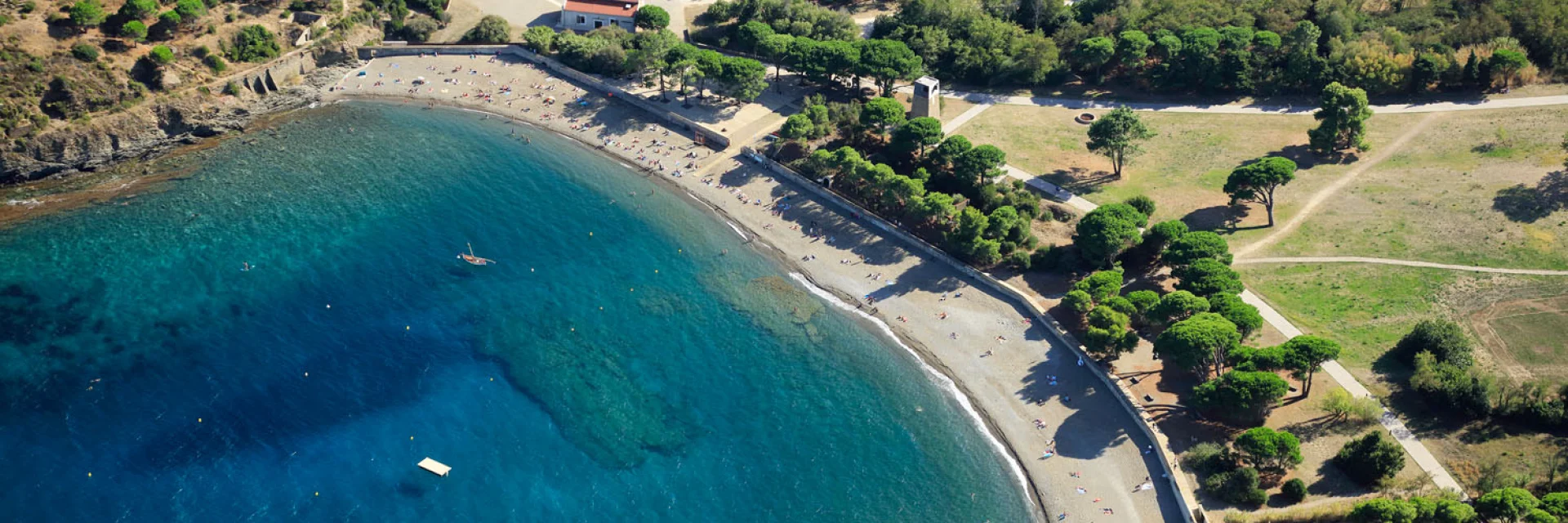

An aerial view of Paulilles Cove in the Pyrénées-Orientales, with its pebble beach fringed by turquoise waters and surrounded by greenery.
©

(66) Pyrénées-Orientales: Paulilles Creek as seen from the air

|

Frederic Hedelin

Baie de Paulilles: history, nature and visits on the Côte Vermeille

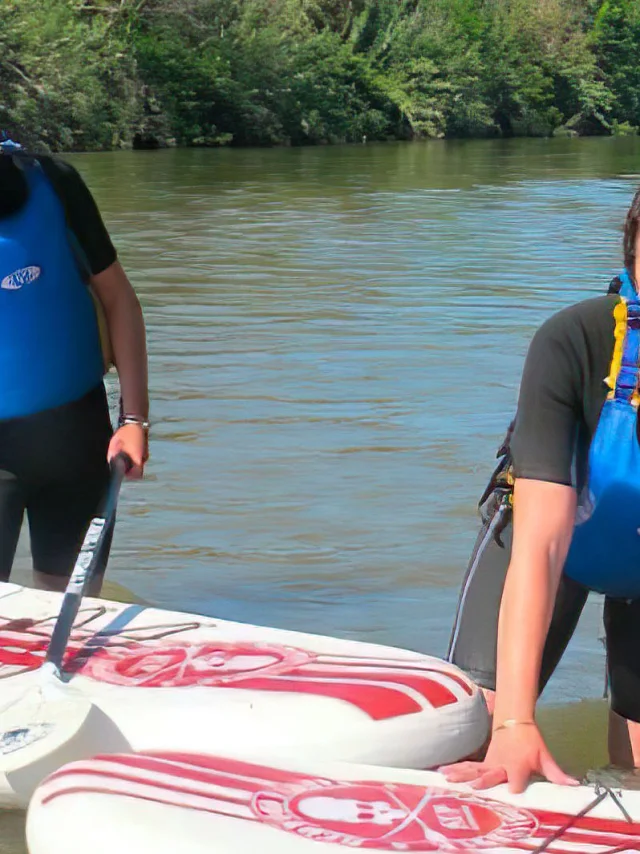
Fancy gliding along the water between the turquoise sea and the wild river? Stand-up paddling, or SUP, invites you to explore the Pyrénées-Orientales in a whole new way. From the small rapids of the Bocal du Tech to the unspoilt beach Nestling between two heavenly coves on the Côte Vermeille, the Bay of Paulilles is a unique listed site combining industrial history and natural beauty. A former dynamite factory, it is now an unspoilt area where heritage, beaches and footpaths come together in perfect harmony.

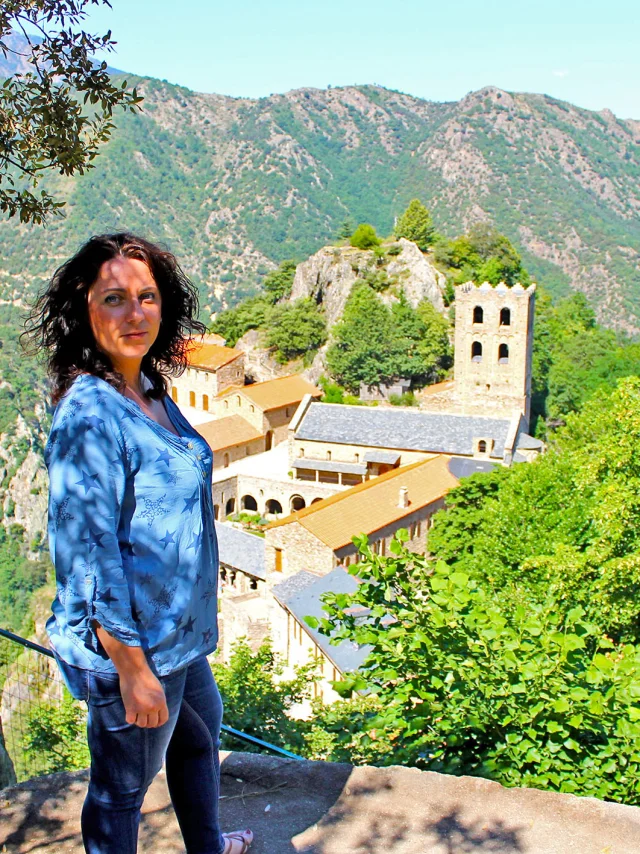
Béatrice

Her name is Béatrice, and her nickname is Happy Board. She loves photography and all those little details that you can't see with the naked eye but only through her superb camera. She was born with an EF 100mm f/2.8L lens in place of her right eye. You might as well say that she counts the number of hairs on the feet of the ants she can observe for hours on end. Happy Board, she's glam, chic and shocking!

History of Paulilles from the Nobel dynamite factory to the preserved site

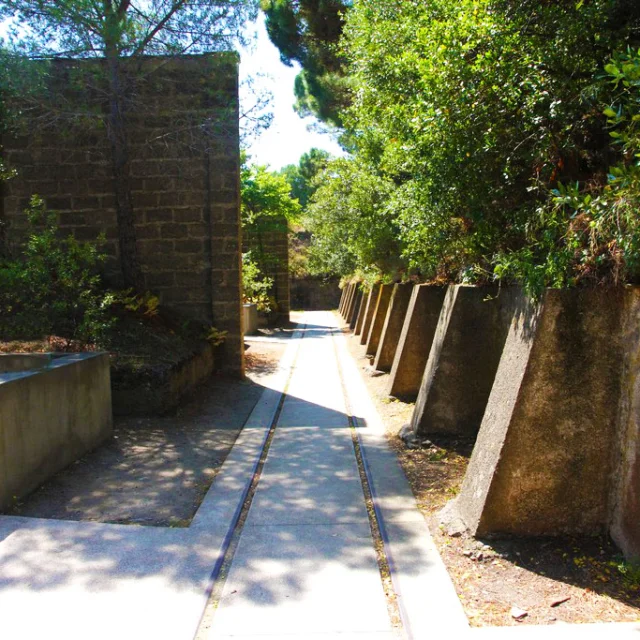
I remember when I was a young adventurer, a reckless teenager… When I went into this former dynamite factory built by Alfred Nobel in 1870, on the Côte Vermeille in Paulilles, I loved discovering what was hidden behind the luxuriant vegetation, the ochre earth, the barbed wire and the ruins. At the time of my explorations, the factory was closed to the public!

Paulilles was a centre of industrial production for over a century. Hundreds of workers worked and lived completely self-sufficiently on this atypical site: factory, school, housing, infirmary, doctor, vegetable gardens, and so on. On this mother earth, Paulilles was a real village, a place of work and hard labour, but also of exchange, mutual aid, love and fraternity.
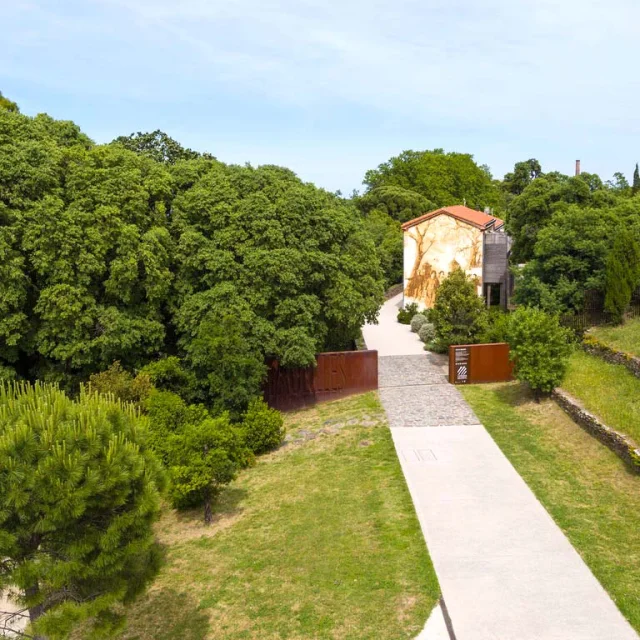
Discover Paulilles Bay today

Once I arrived, after many adventures (I’m exaggerating a little), I discovered this abandoned, ruined village nestling in two heavenly coves. It was a peaceful, soothing world. And so the memory began.

Closed and abandoned since 1984, the site underwent spectacular redevelopment from 2005 onwards, thanks to the joint efforts of the Conservatoire du Littoral and the Département des Pyrénées-Orientales. Cleaning, clearing, rehabilitation, making the site safe, redevelopment – everything has been done to restore the site’s beauty and unique character. Restoration of some of the buildings, the lookouts and the industrial memory. I come back, many years later (no, I won’t tell you how many…). I breathe, I smell, I feel. It’s an invitation to peace, a haven, a journey!

Béatrice

Here, everything is luxury, calm and pleasure. The elders watch over this place of green and blue. I’m immersed in a dimension that’s “out of time”. Open to the public since 2008, Paulilles is a preserved site that sets an example: a jewel box between the Mediterranean and the Pyrenees.

Experiences in Paulilles

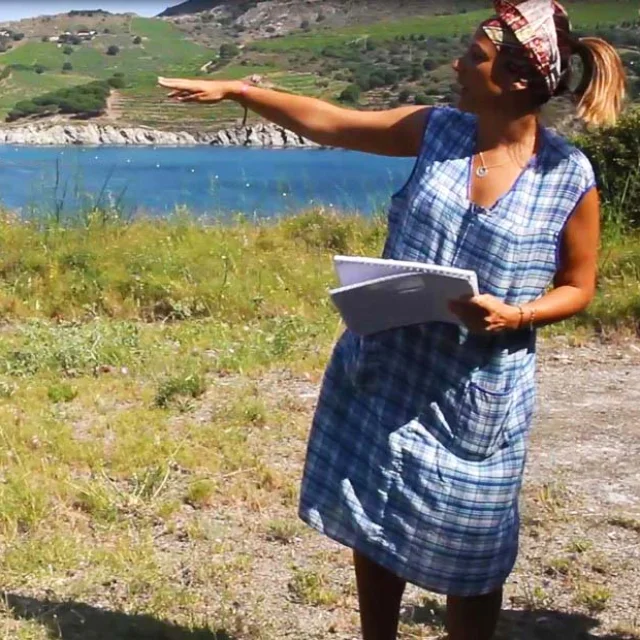
I meet Aline, the granddaughter of a factory worker, who has worked on the site for many years. Aline takes me to the south of the bay of Paulilles, guiding me “in the footsteps of Jeanne”, her grandmother. Right at the heart of dynamite production: the first workshops, the buildings, the life of the factory, brought back to life through Aline’s voice.

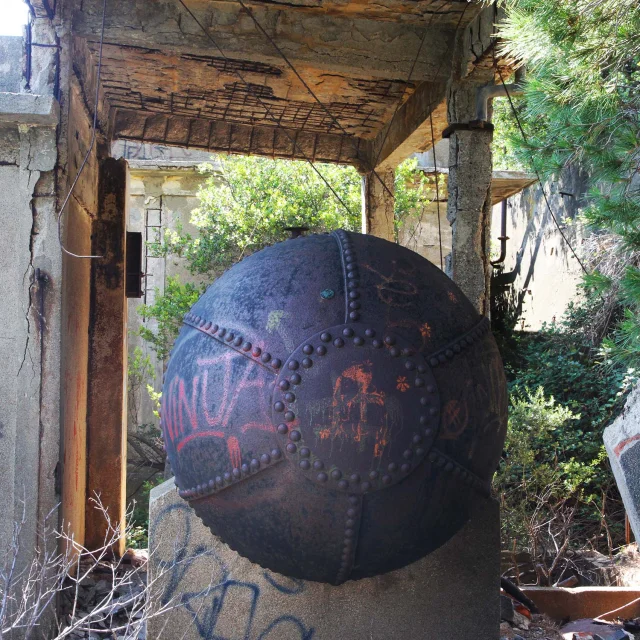
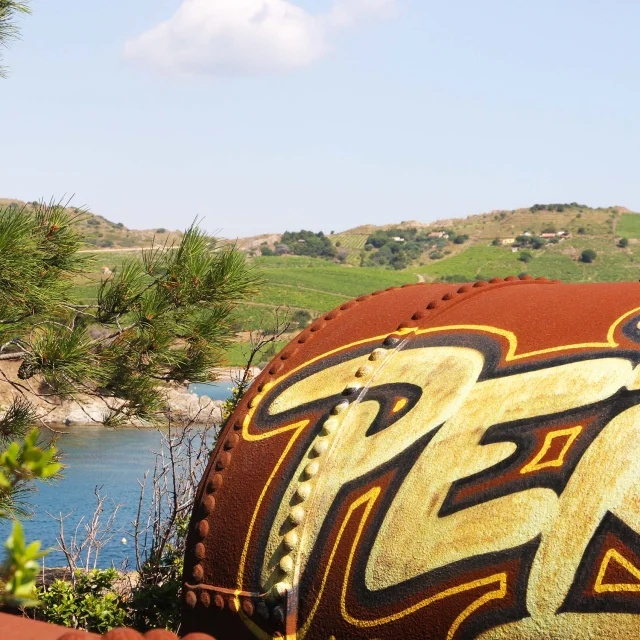
Seeing the old buildings, rusting cisterns and grounded ships, with a view over Cap Béar, is magical. The Massane signal tower and the Grande Bleue put stars in my eyes!

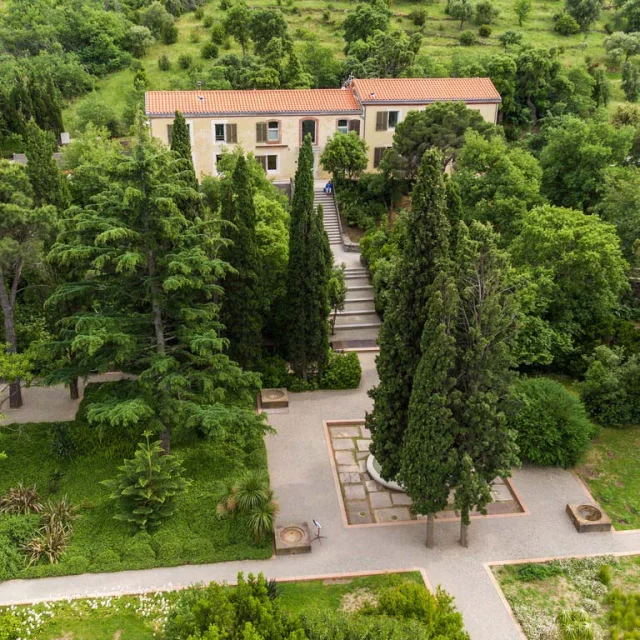
I make a stop at the beach, where the turquoise waters are inviting for a swim. A final stop at the lookout, a former water tower. I’m seduced by the 360° panorama between the Mediterranean and the Pyrenees. I take the undergrowth trail: hidden paths where freshness, scents and silence mingle. Then I head for the Director’s house, which has now become a visitor centre and regularly hosts exhibitions.

Finally, I’d like to suggest a few ideas for activities and visits: the boat restoration workshop, Cap Béar and its lighthouse, the Massane signal tower, and of course the Côte Vermeille and its picturesque villages.

Good to know

A little visual bonus: you can access the live webcam to admire the bay of Paulilles, as well as the virtual tour.

My day in review

Spending a day in the Bay of Paulilles is like immersing yourself in a world of industrial memory and unspoilt nature. You’ll discover the unique history of the Nobel dynamite factory, be enchanted by the seascapes and turquoise coves, and enjoy a rare moment of calm on the Côte Vermeille. Between strolls along shady paths, refreshing swims and contemplative breaks facing the Pyrenees and the Mediterranean, the site offers a timeless interlude. You’ll leave with the feeling that you’ve explored a place that’s steeped in history, authentic and soothing – a real nugget of the Pyrénées-Orientales to be shared without moderation!

Practical info

Location and access
– By car: take the D914, exit “Anse de Paulilles”. Free parking is available at the entrance to the site.
– By train: Port-Vendres or Banyuls-sur-Mer station, then transfer to the bus (liO 540) or taxi.
Opening times in July and August
– Paulilles site: 9am-8pm
– Site house: 9am-1pm / 2pm-7pm
– Boat restoration workshop: 9am-5pm (closed on weekends and public holidays)
– Refreshment bar: 10am-6.30pm
On-site services and facilities
– Visitor centre with exhibition area and tourist information.
– Shaded picnic tables and drinking water points.
– Supervised beach in summer and signposted footpaths with interpretation panels.
– Public toilets

Preparing your stay

Plan interactif : 1 lieux répertoriés.

  • Lieu sans nom
BIT Port-Vendres

Phone: +33 (0)4 48 98 00 08 / +33 (0)4 68 82 07 54

Site house

Tel: +33 (0)4 68 95 23 40

Do you enjoy this experience? Have you done it yourself and want to share it with your friends?

More experiences in the P.O.