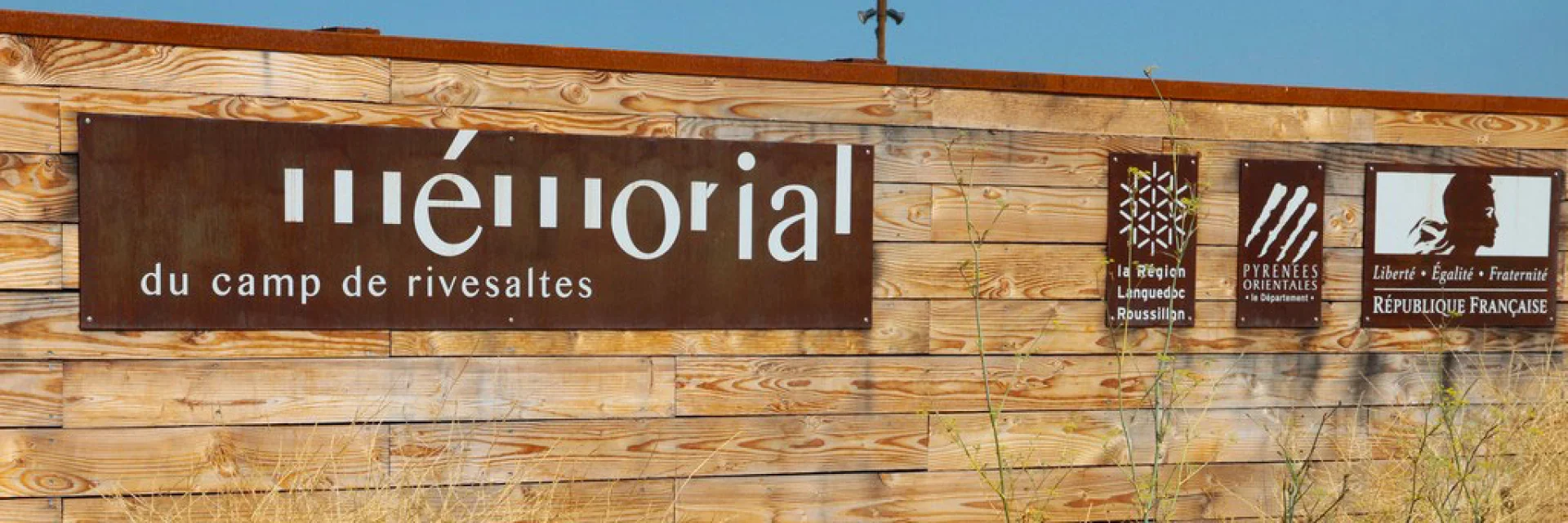
Entrance sign to the Rivesaltes Camp Memorial, mounted on a wooden fence, bearing the logos of the Languedoc-Roussillon Region, the Pyrénées-Orientales Department and the French Republic.
©

Rivesaltes Camp Memorial

|

Richard BANTEGNY

Visit to the Rivesaltes Camp Memorial A moment suspended between memory and emotion

On the edge of the Roussillon plain, the Rivesaltes Camp Memorial offers a deeply moving insight into the history of contemporary exile. With readings of testimonies, live music and a staging at dawn, the visit becomes a rare sensory and memorial experience. This place steeped in history retraces the shattered journeys of Spanish Republicans, persecuted Jews, forgotten Harkis, African and Syrian refugees. A meeting with History, the real thing, in a sober and powerful setting.

Gloria

Her name is Gloria. She's a concentrate (like milk) of savoir vivre, culture and unusual anecdotes. She knows how to sprinkle that little sweet taste over the stories she tells you with a devouring passion (Pierre Bellemare should know better). She'll tell you about the stones, the frescoes, the stained-glass windows or that writer lost in the garrigue.

An immersive experience at first light

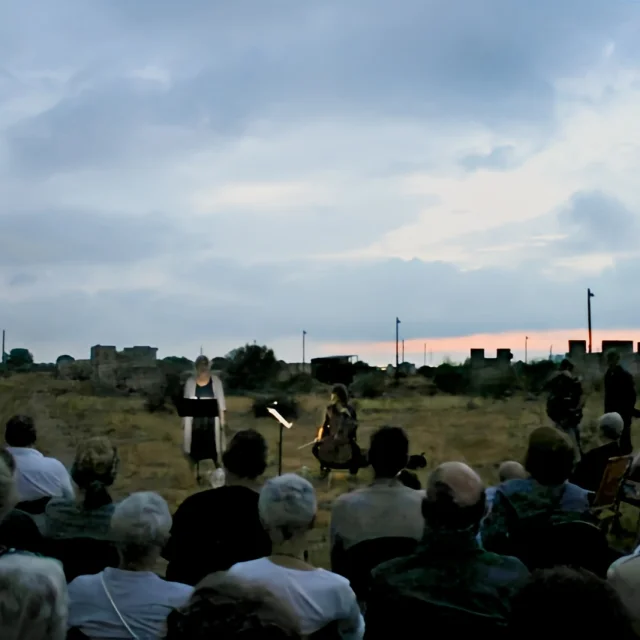
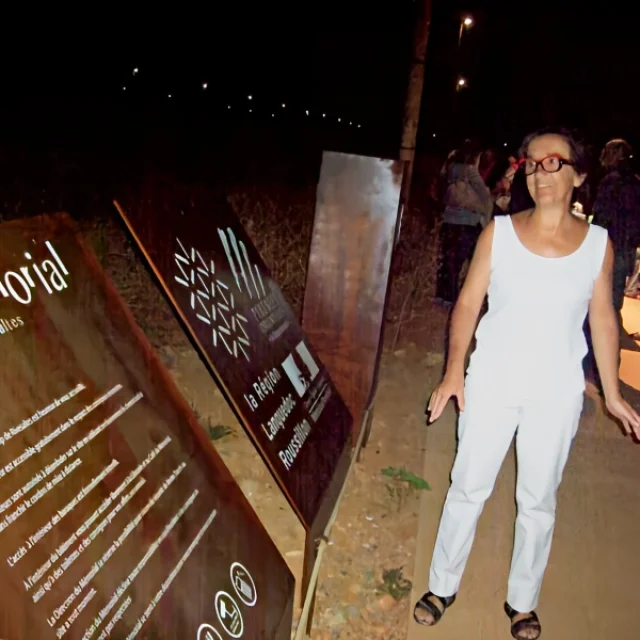
It was still dark when I joined the group of early risers who had come to attend a reading at the Rivesaltes camp. I tell myself that the night is never as dark as before dawn. I quickly find myself immersed in the atmosphere and I can easily imagine the arrival of the new internees, exhausted, racked with anxiety and uncertainty, devoid of everything and even of hope, making their way with heavy steps towards the unknown.

For the time being, we silently followed the people who had come to pick us up. Small lanterns on the ground in the fragrant scrubland guide our confident steps as curious history buffs. Drawn by the solemnity of the moment, we settle down in silence. The emotions are there for an exceptional moment.
A vibrant tribute through reading and music

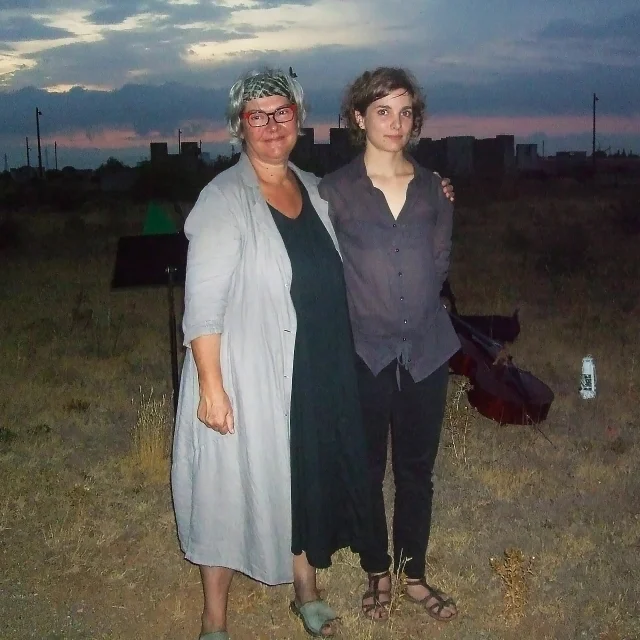
With a tightness in her throat, Agnès Sajaloli, director of the Memorial, dedicates this reading to her father. At her side, musician Marie Grollier strums her cello. The reading is as silent as ever. The first words are spoken while the notes of music resonate with gravity, an improvisation on Kletzmer music, Marie will later explain.

The first text is an account by a Spanish Republican refugee who tells of his shock at being held captive, having done nothing, just being defeated. This is followed by the testimony of an Ashkenazi family after the 1942 round-ups, fleeing a hunt that ended tragically, and then a text on the arrival of the Harkis after the Algerian war, haggard, exhausted and ostracized from society, they who had shown their loyalty.

This is followed by the deeply moving account of an Ivorian, a victim of the earthquakes and political crises of the 1960s, and finally, the desperate quest of a group of Syrians, who make their way through the stagnation in which their country is plunged, prey to all the predators lying in wait.

To find out more

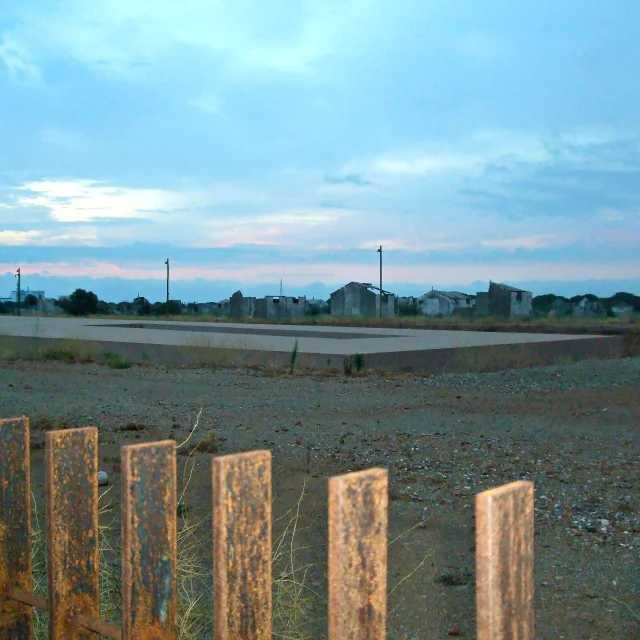
The Rivesaltes Camp Memorial is a place of remembrance dedicated to the various populations interned on the site between 1938 and 2007. Readings, exhibitions and special events are regularly held there, focusing on the themes of exile, imprisonment and human rights. The architecture of the site, designed by Rudy Ricciotti, blends into the arid landscape of the Roussillon plain.

A shared reawakening of memory

This litany of all the exiles, read with emotion and care, provokes tears that flow quietly away as the last notes of music rise towards the brightening sky. The reader and the musician often look at each other, immersed as they are in this duet of memory. The audience is gripped, unsure whether to remain silent or to give thanks, then applauds softly, lest it break this fragile alchemy.

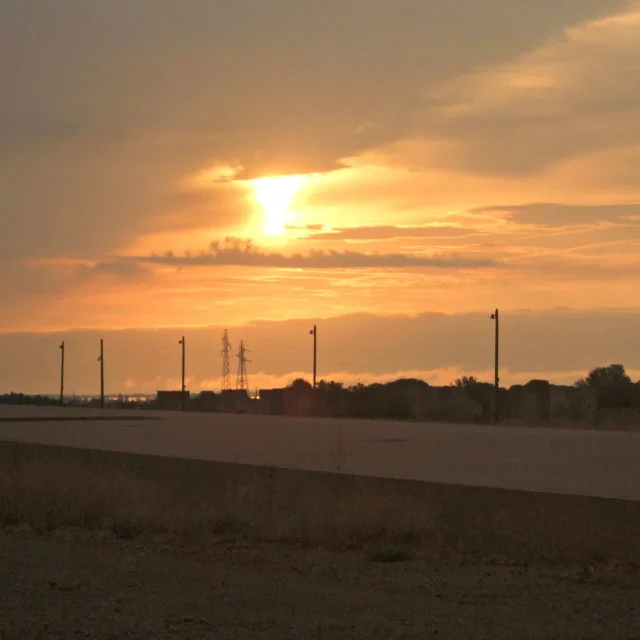
The sun has finally risen. After this exceptional experience, appetites were whetted and everyone enjoyed a breakfast rich in exchanges and shared emotions.

Report on the visit

Visiting the Rivesaltes camp memorial is much more than discovering a historic site: for a few hours it is a journey through the silent fractures of our time. This moment of meditation, combining reading, music and personal accounts, reminds us of our own responsibility in the face of exclusion, oblivion and indifference. We come away shaken, with the feeling that we have put our finger on an essential, and all too often silent, part of contemporary history. It’s a wonderful experience that everyone should have at least once.

Practical info

  • Address :

Camp de Rivesaltes Memorial, Chemin de Tuchan, 66600 Salses-le-Château

  • Opening times :

Open every day except Monday, from 10am to 6pm (times vary depending on the season)

    • Visits :

    Self-guided tours, audio guides, guided tours and cultural events (readings, lectures…)

    • How to get there :

    Free parking / Access by bus from Perpignan

    Preparing your stay

    Plan interactif : 1 lieux répertoriés.

    • Lieu sans nom
    Do you enjoy this experience? Have you done it yourself and want to share it with your friends?

    More experiences in the P.O.